Rich Tomato Paste Recipe-Flavor Boost
Rich Tomato Paste is more than just an ingredient; it’s the soul of so many of our favorite dishes. Think about that deep, savory foundation that elevates everything from a simple weeknight pasta sauce to a slow-simmered ragu, or even a vibrant gazpacho. That concentrated burst of pure tomato flavor is utterly irresistible, isn’t it? People adore dishes made with a good quality, rich tomato paste because it offers an unparalleled depth and complexity that fresh tomatoes, while wonderful, can’t always replicate in the same concentrated way. It’s that secret weapon in our pantry that transforms the ordinary into the extraordinary, providing a beautiful, tangy sweetness and a satisfying umami that makes us crave that next bite. This isn’t just about color; it’s about unlocking a truly profound tomato essence that sings in every spoonful.
Rich Tomato Paste
There’s something incredibly satisfying about creating your own tomato paste from scratch. While store-bought options are convenient, nothing compares to the intense, concentrated flavor of homemade. This rich, vibrant paste is a culinary game-changer, capable of elevating sauces, stews, braises, and so much more. It’s a labor of love, certainly, but one that pays dividends in deliciousness. The process is simple, relying on good quality ingredients and a bit of patience to coax out the purest tomato essence.
Ingredients:
Cooking Instructions:
Preparing the Tomatoes:
The first and most crucial step is selecting the right tomatoes. Roma tomatoes are ideal for paste-making because they have a lower water content and fewer seeds, meaning more concentrated flavor. You’ll want to start with a substantial amount – 8 pounds is a good starting point for a decent batch. Begin extract by washing all your tomatoes thoroughly. Then, you’ll need to remove the cores. I find it easiest to simply slice off the top stem end with a sharp knife. Next, you have two main options for preparing the tomatoes further: you can either quarter them or halve them, depending on their size. The goal is to expose as much of the flesh as possible to the heat for cooking. Don’t worry too much about peeling or seeding them at this stage; we’ll address that later. Some people prefer to blanch and peel their tomatoes first, but I find it’s an unnecessary step that adds extra work without a significant flavor benefit for paste. The long cooking time will break down the skins and seeds anyway.
Initial Cooking and Breaking Down:
Once your tomatoes are prepped, transfer them to a large, heavy-bottomed pot or Dutch oven. A wider pot is better than a tall, narrow one as it allows for more surface area, promoting faster evaporation of moisture. Add the 2 tablespoons of olive oil to the pot. The olive oil helps to enrich the flavor and prevents sticking. Stir the tomatoes to coat them evenly with the oil. Now, it’s time to start cooking. Place the pot over medium-high heat and bring the tomatoes to a simmer. As they heat up, they will begin extract to soften and release their juices. Stir them occasionally to prevent them from scorching on the bottom. You’ll see them starting to break down. This initial cooking phase is about getting the tomatoes to a point where they are soft enough to easily mash and process. This can take anywhere from 30 to 45 minutes, depending on your stove and the size of your pot.
Simmering and Thickening:
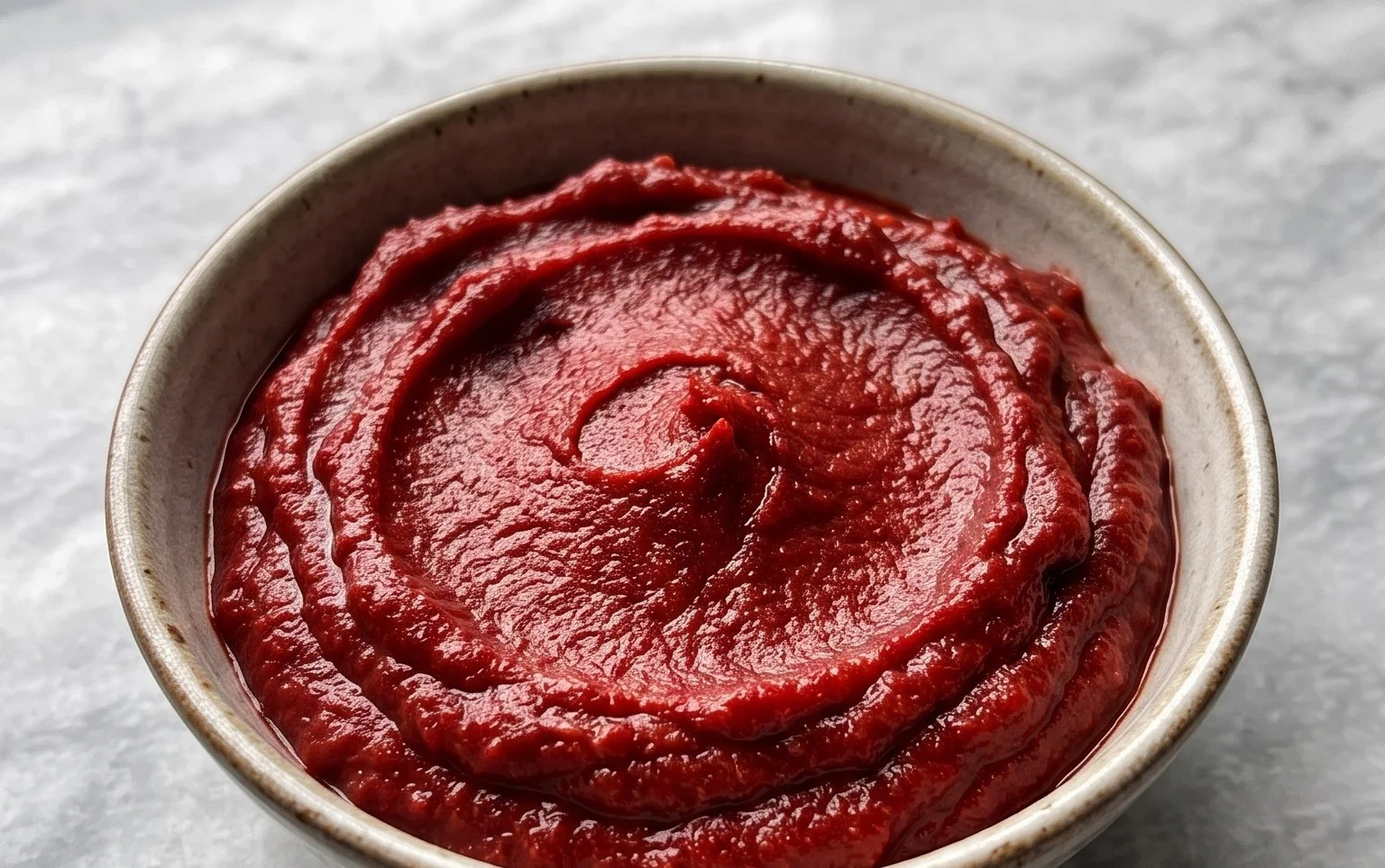
Once the tomatoes have softened considerably and have begun to break down into a chunky sauce, reduce the heat to low and continue to simmer. This is where the magic of concentration happens. You want to cook the tomatoes down slowly, allowing the water to evaporate and the flavors to intensify. Stir frequently, especially as the mixture thickens, to prevent sticking and burning. This process can take several hours – anywhere from 2 to 4 hours, or even longer, depending on how thick you want your paste. The bay leaf is added during this simmering stage to infuse a subtle, aromatic depth. I like to add it about an hour into the simmering process. As the paste thickens, it will turn a deeper shade of red and will start to pull away from the sides of the pot. You’re looking for a consistency that is much thicker than sauce, closer to a spreadable paste.
Straining for a Smooth Paste:
After the tomatoes have cooked down significantly and reached a very thick consistency, it’s time to remove the bay leaf. Now, we want to achieve that smooth, refined texture characteristic of tomato paste. You can do this by passing the cooked tomato mixture through a food mill or a fine-mesh sieve. If using a food mill, simply process the cooked tomatoes, and it will separate the solids from the skins and seeds. If you’re using a sieve, you’ll need to work the mixture through with the back of a spoon or a spatula. This step is optional if you don’t mind a slightly more rustic texture with tiny bits of skin and seed, but for a truly luxurious paste, straining is key. Be patient; this can be a bit labor-intensive, but the result is worth it. Don’t discard the liquid that goes through; it’s essentially a rich tomato broth you can use in other dishes.
Final Reduction and Storage:
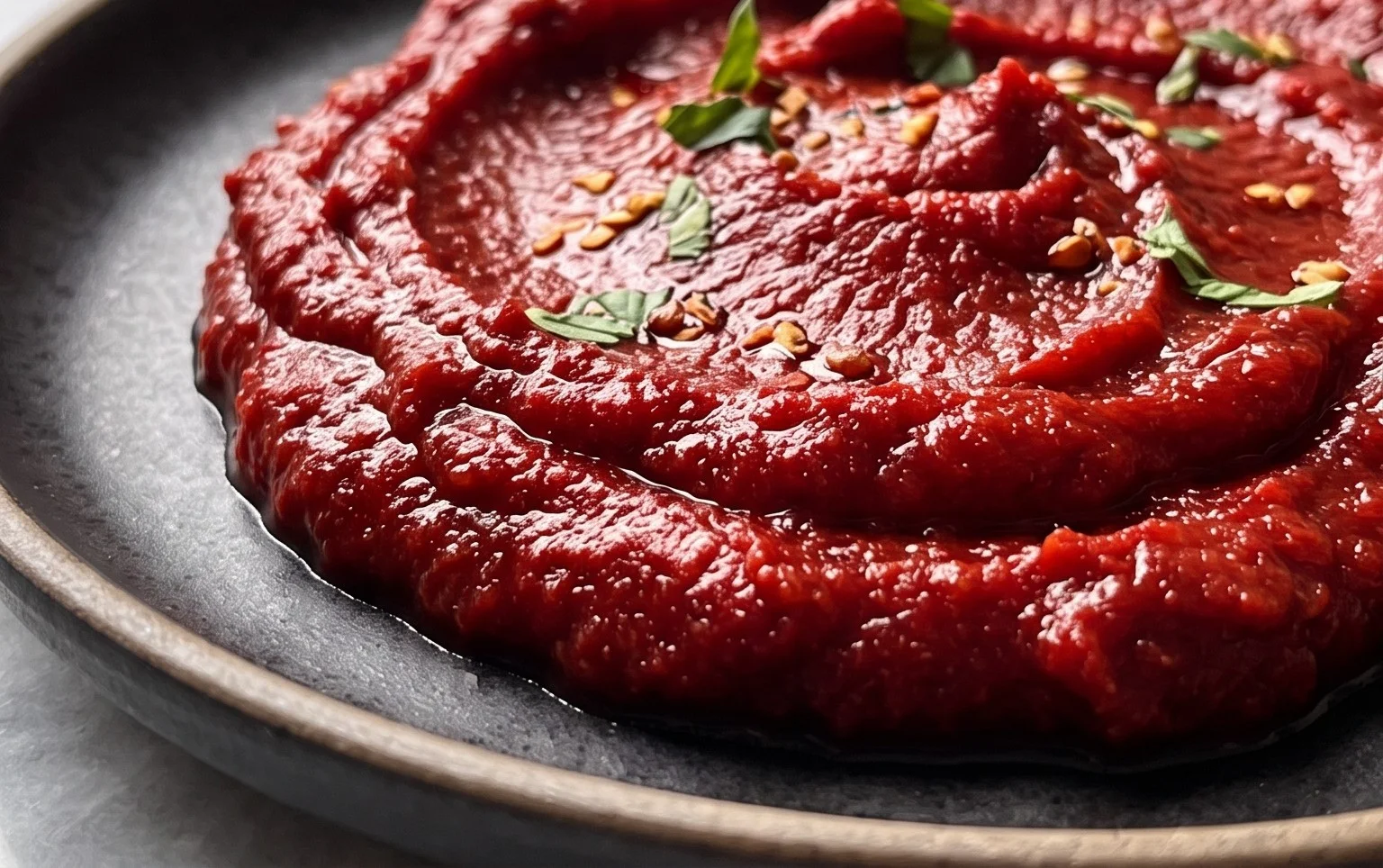
After straining, return the smooth tomato pulp to the pot. Now, you’ll do a final, slower reduction over very low heat. Continue to cook and stir frequently until the paste is very thick and glossy. You’re aiming for a consistency where a spoon can stand upright in it, or when you scrape the bottom of the pot, the paste takes a few seconds to fill in the gap. This final reduction concentrates the flavors even further and ensures a shelf-stable product. Once it reaches your desired consistency, remove it from the heat. Allow it to cool completely. For storage, I like to transfer the cooled paste into small glass jars or ice cube trays. If using ice cube trays, once frozen, you can pop out the cubes and store them in a freezer-safe bag for easy portioning. Homemade tomato paste can be stored in the refrigerator for about 2-3 weeks, or frozen for up to 6 months. This intensely flavored paste will be your secret weapon in the kitchen!
Conclusion:
You’ve now unlocked the secret to creating your own incredibly rich tomato paste right in your kitchen! This recipe is truly a game-changer because it allows you to control the quality of your ingredients and achieve a depth of flavor that store-bought versions simply can’t match. The slow cooking process concentrates the natural sweetness of the tomatoes, resulting in a paste that’s both intensely flavorful and wonderfully versatile. It’s the perfect foundation for countless dishes, elevating everything from simple pasta sauces and stews to more complex braises and dips. I’m confident you’ll be amazed at how a little effort can yield such spectacular results.
Don’t hesitate to experiment with serving suggestions! This rich tomato paste is fantastic stirred into soups for an added layer of umami, spread on bruschetta for a concentrated burst of tomato goodness, or used as a base for homemade pizza sauce. You can even blend it into marinades for meats and vegetables. For variations, consider adding a pinch of smoked paprika or a touch of chili flakes during the cooking process for a smoky or spicy kick. This recipe is incredibly forgiving, so feel free to adjust seasonings to your liking.
I truly encourage you to give this recipe a try. It’s a rewarding process that will undoubtedly become a staple in your culinary repertoire.
Frequently Asked Questions:
Can I freeze this rich tomato paste?
Absolutely! Once cooled, you can freeze your homemade rich tomato paste in ice cube trays for perfectly portioned servings. Once frozen, transfer the cubes to a freezer-safe bag or container. This will keep for several months, ensuring you always have this delicious ingredient on hand.
What kind of tomatoes are best for this recipe?
For the most intense flavor, ripe, paste-type tomatoes like Roma, San Marzano, or Plum tomatoes are ideal. They have lower moisture content and fewer seeds, which means a more concentrated and less watery end product. However, you can certainly use other ripe, flavorful tomatoes if those aren’t readily available.
Rich Tomato Paste
A concentrated and deeply flavorful tomato paste, perfect for enhancing sauces, stews, and braises.
Ingredients
-
8 Pounds roma tomatoes
-
2 Tablespoon Olive oil
-
1 each Bay leaf
-
1 teaspoon Salt
-
1/2 teaspoon Black pepper
-
1/4 cup Water
Instructions
-
Step 1
Wash and quarter the roma tomatoes. -
Step 2
Place tomatoes in a large pot with olive oil, bay leaf, salt, and pepper. -
Step 3
Cook over medium heat, stirring occasionally, until tomatoes break down and release their juices, about 30-40 minutes. -
Step 4
Remove the bay leaf. Carefully transfer the tomato mixture to a blender or food processor and blend until smooth. -
Step 5
Return the pureed tomatoes to the pot. Add water. Cook over low heat, uncovered, stirring frequently, until the paste thickens significantly and reduces by about half, about 1-2 hours. The paste should be a deep red color and hold its shape on a spoon. -
Step 6
Discard any excess liquid. For longer storage, pour the hot paste into sterilized jars and process in a water bath, or freeze in small portions.
Important Information
Nutrition Facts (Per Serving)
It is important to consider this information as approximate and not to use it as definitive health advice.
Allergy Information
Please check ingredients for potential allergens and consult a health professional if in doubt.