Tri Tip Two Ways- Perfect Grilled Flavor
Tri Tip is an absolute hero of a roast, and today, we’re going to explore its incredible versatility with not one, but TWO fantastic ways to prepare it. If you’re anything like me, you appreciate a cut of meat that delivers maximum flavor without requiring a culinary degree. That’s precisely where the magic of Tri Tip shines. People rave about this cut for its tender texture and rich, beefy taste, especially when it’s been cooked to perfection. What makes Tri Tip so special is its inherent marbling, which bastes the meat as it cooks, resulting in an unbelievably juicy and satisfying experience. Whether you’re a seasoned grill master or just starting your cooking journey, mastering the Tri Tip will elevate your meals and impress your guests. Get ready to fall in love with Tri Tip all over again!
Tri Tip (2 Ways)
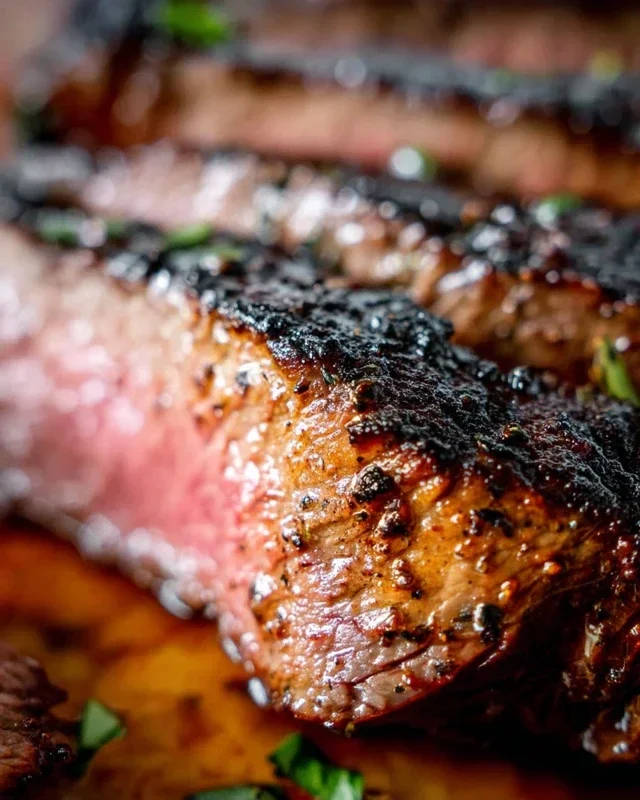
The tri tip roast, a beloved cut from the bottom sirloin of the cow, offers incredible flavor and tenderness when cooked correctly. It’s a versatile cut that can be prepared in a multitude of ways, but today, we’re going to explore two of my absolute favorites: the classic grilled tri tip and a wonderfully juicy oven-roasted version. Both methods showcase the beefy goodness of this roast, and I’m excited to share my tried-and-true techniques with you. Whether you’re a grilling guru or prefer the set-it-and-forget-it approach of the oven, you’re in for a treat.
Ingredients:
Method 1: The Perfectly Grilled Tri Tip
Grilling is perhaps the most popular way to prepare tri tip, and for good reason! The high heat imparts a beautiful char and smoky flavor that is simply irresistible. We’re going to aim for a medium-rare to medium internal temperature for optimal juiciness.
Step 1: Prepare the Rub
In a small bowl, combine the garlic salt, Lawry’s seasoning salt, kosher salt, black pepper, sugar, garlic powder, and parsley. This is our flavor powerhouse! The sugar helps with caramelization on the grill, while the blend of salts and garlic creates a savory crust. Mix everything thoroughly.
Step 2: Season the Roast
Pat your tri tip roast completely dry with paper towels. This is crucial for achieving a good sear. Drizzle the olive oil all over the roast, ensuring it’s evenly coated. Then, generously rub the spice mixture all over the tri tip, making sure to get into all the nooks and crannies. Let the roast sit at room temperature for about 30-60 minutes before grilling. This allows the meat to cook more evenly.
Step 3: Set Up Your Grill
Preheat your grill to high heat, aiming for a temperature of around 450-500°F (230-260°C). You want it screaming hot for that initial sear. If you’re using a charcoal grill, you’ll want a good bed of hot coals. For a gas grill, turn all burners to high.
Step 4: Sear and Grill
Place the seasoned tri tip directly over the hottest part of the grill. Sear for about 3-4 minutes per side, looking for a nice, dark crust to develop. After searing, move the roast to a slightly cooler part of the grill (indirect heat) to continue cooking. Close the lid. Grill for another 10-15 minutes, flipping every 5 minutes or so, until the internal temperature reaches your desired level. For medium-rare, aim for 130-135°F (54-57°C); for medium, 135-140°F (57-60°C). Use a reliable meat thermometer inserted into the thickest part of the roast.
Step 5: Rest and Slice
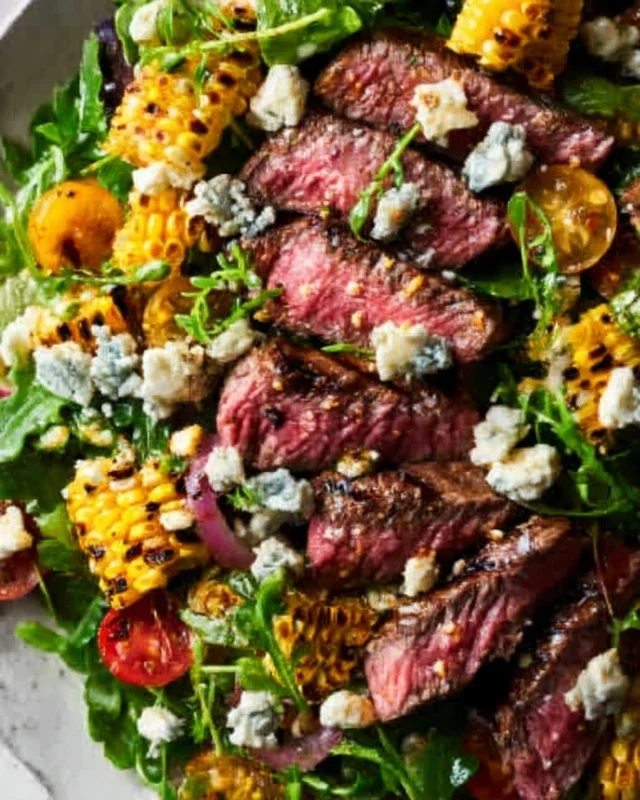
Once the roast reaches your target temperature, remove it from the grill and place it on a clean cutting board. Tent it loosely with foil and let it rest for at least 10-15 minutes. This is arguably the most important step! Resting allows the juices to redistribute throughout the meat, ensuring every bite is moist and tender. After resting, slice the tri tip thinly against the grain. Look for the direction the muscle fibers are running and cut perpendicular to them. This makes a world of difference in tenderness.
Method 2: The Succulent Oven-Roasted Tri Tip
If grilling isn’t an option or you prefer a more hands-off approach, oven-roasting is a fantastic alternative. We’ll use a similar seasoning profile, but the cooking environment is different, requiring a bit more attention to internal temperature.
Step 1: Prepare the Rub (Same as Grilled Method)
Follow Step 1 from the grilled method to create your flavorful spice rub.
Step 2: Season the Roast (Same as Grilled Method)
Follow Step 2 from the grilled method to season your tri tip roast. Allow it to come to room temperature for 30-60 minutes.
Step 3: Preheat the Oven
Preheat your oven to a high temperature, around 425°F (220°C). While we want a hot oven to start, we’ll eventually lower it to ensure even cooking without drying out the roast.
Step 4: Sear and Roast
Place the seasoned tri tip in a preheated oven-safe skillet or on a rack set inside a baking sheet. Sear in the hot oven for about 10-15 minutes, just to get a nice brown exterior. Then, reduce the oven temperature to 350°F (175°C). Continue roasting for another 20-30 minutes, or until the internal temperature reaches your desired doneness. Again, use a meat thermometer for accuracy. For medium-rare, aim for 130-135°F (54-57°C); for medium, 135-140°F (57-60°C).
Step 5: Rest and Slice (Same as Grilled Method)
Just like with the grilled version, resting is absolutely critical. Remove the roast from the oven and tent it loosely with foil. Let it rest for 10-15 minutes before slicing thinly against the grain.
Both of these methods will yield a delicious and impressive tri tip roast. Experiment with both and find your favorite! Enjoy!
Conclusion:
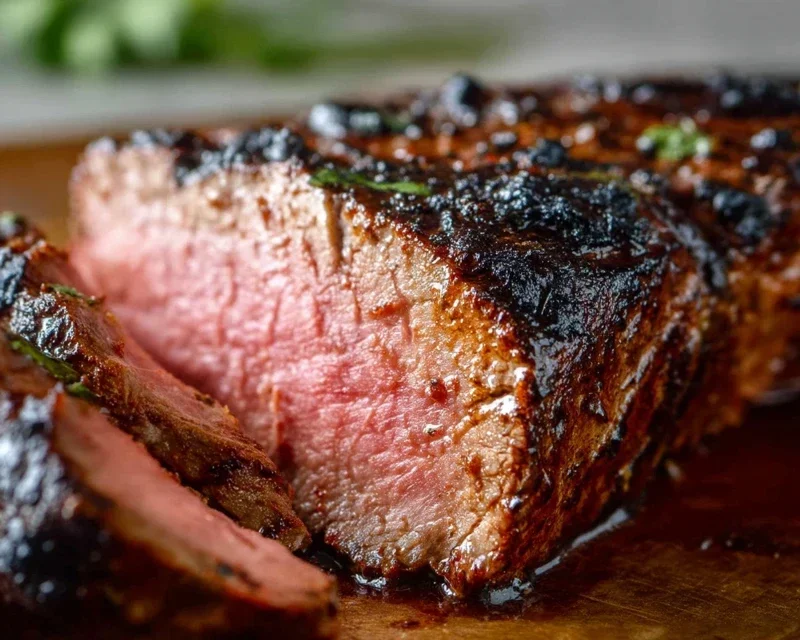
So there you have it – two fantastic ways to prepare a delicious Tri Tip! We’ve explored both a classic grilled approach and a flavorful oven-roasted method, offering you versatility depending on your equipment and time. The beauty of tri tip lies in its incredible flavor and tender texture, especially when cooked to a perfect medium-rare. It’s a cut that’s surprisingly forgiving and incredibly rewarding to cook, making it a fantastic option for both weeknight dinners and impressive weekend gatherings. I truly encourage you to give these recipes a try; you won’t be disappointed by how easily you can achieve restaurant-quality results at home.
For serving, imagin extracte this juicy tri tip sliced thinly and served alongside roasted vegetables, a fresh salad, or even piled high on a sandwich. You can also elevate it further by creating a simple pan sauce with the drippings or a vibrant chimichurri. Feel free to experiment with different marinades or rubs; perhaps a smoky paprika blend or a zesty citrus marinade would be your next favorite. No matter how you choose to prepare it, I’m confident this versatile cut will become a staple in your culinary repertoire.
Frequently Asked Questions:
What is the best internal temperature for tri tip?
For the most tender and juicy tri tip, aim for an internal temperature of 130-135°F (54-57°C) for medium-rare. If you prefer it medium, go for 135-140°F (57-60°C). Remember to let the roast rest for at least 10-15 minutes after cooking to allow the juices to redistribute.
Can I marinate tri tip ahead of time?
Absolutely! Marinating tri tip is a great way to infuse even more flavor. You can marinate it for anywhere from 4 hours to overnight in the refrigerator. Just be mindful of acidic marinades (like those with citrus or vinegar), as marinating for too long can start to break down the meat too much.
What if I don’t have a grill or oven?
While grilling and oven-roasting are excellent methods, you can also achieve a delicious tri tip using a cast-iron skillet on the stovetop, especially for smaller cuts. Sear it on all sides over high heat, then lower the heat and finish cooking, similar to the oven-roasting method, ensuring you reach your desired internal temperature.
Tri Tip (2 Ways)
A versatile tri-tip roast prepared with two distinct flavor profiles for grilling or roasting.
Ingredients
-
2 & 1/2 pound tri tip roast
-
1 & 1/2 teaspoons garlic salt
-
1 tablespoon Lawry’s seasoning salt
-
1 & 1/2 teaspoons kosher salt (Diamond Crystal)
-
1 teaspoon black pepper
-
1/2 teaspoon sugar
-
2 teaspoons garlic powder
-
1 tablespoon dried or fresh parsley
-
1/4 cup olive oil
Instructions
-
Step 1
For the first way, combine garlic salt, Lawry’s seasoning salt, kosher salt, black pepper, sugar, and garlic powder in a small bowl. Rub this mixture evenly over the tri tip roast. -
Step 2
For the second way, combine parsley, olive oil, and a pinch of kosher salt and black pepper. Rub this mixture evenly over the tri tip roast. -
Step 3
Preheat your grill or oven to 400°F (200°C). If grilling, prepare for indirect heat. -
Step 4
Sear the tri tip roast on all sides over direct heat for 2-3 minutes per side, or until browned. Move to indirect heat (grill) or place in the oven. -
Step 5
Cook until the internal temperature reaches 130-135°F (54-57°C) for medium-rare. This typically takes 20-30 minutes depending on thickness and method. -
Step 6
Remove the roast from the heat and let it rest for 10-15 minutes before slicing against the grain.
Important Information
Nutrition Facts (Per Serving)
It is important to consider this information as approximate and not to use it as definitive health advice.
Allergy Information
Please check ingredients for potential allergens and consult a health professional if in doubt.