Healthy Sautéed Vegetables Quick Flavorful Side
Healthy sautéed vegetables are about to become your new go-to side dish, and for good reason! Forget bland, boring veggies – this recipe delivers an explosion of flavor that’s incredibly quick to prepare. In just minutes, you can transform humble produce into a vibrant and delicious accompaniment that elevates any meal. What’s not to love about a dish that’s not only packed with essential nutrients but also tastes amazing? We all crave those satisfying, guilt-free additions to our plates, and these healthy sautéed vegetables absolutely nail it. They’re perfect for busy weeknights, impromptu dinners, or when you simply want to add a burst of freshness and color. The magic lies in the simple technique, allowing the natural sweetness and textures of the vegetables to shine through, enhanced by just a few key seasonings.
Why You’ll Love This Recipe:
Quick Preparation: Ready in under 15 minutes!
Incredibly Flavorful: A vibrant taste that complements any main course.
Nutrient-Packed: A delicious way to boost your daily vegetable intake.
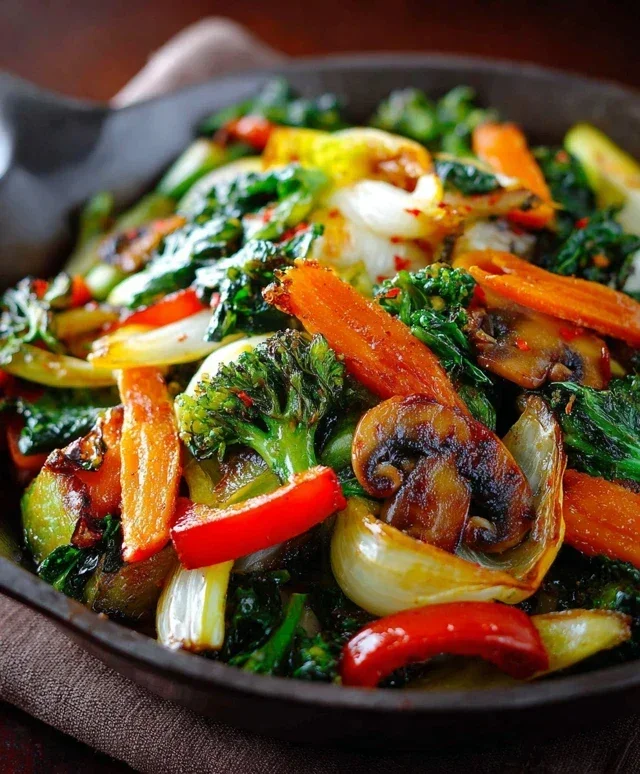
Healthy Sautéed Vegetables – Quick, Flavorful & Nutritious Side
Looking for a vibrant, healthy, and incredibly quick side dish to elevate any meal? You’ve come to the right place! This recipe for Healthy Sautéed Vegetables is a game-changer. It’s a fantastic way to pack in a variety of nutrients, add beautiful color to your plate, and enjoy delicious, crisp-tender vegetables with minimal effort. Whether you’re a seasoned cook or just starting out, this recipe is foolproof and endlessly adaptable. The beauty of sautéing is its speed – it cooks vegetables quickly, preserving their nutrients and natural sweetness while developing a delightful char and depth of flavor. This is my go-to for weeknight dinners when time is short but I still want something wholesome and satisfying.
Ingredients:
Cooking Instructions
Follow these simple steps to create a fantastic side dish that’s both healthy and delicious.
1. Prepare Your Vegetables
The key to a successful and evenly cooked sauté is having all your ingredients prepped and ready to go before you even turn on the stove. This is because once the vegetables hit the hot pan, things move quickly. Wash and dry all your vegetables thoroughly. For the onion, slice it thinly so it softens and sweetens without taking too long. The bell pepper can be deseeded and sliced into strips of a similar size to the onion. For the zucchini, slicing it into half-moons about ¼ inch thick works perfectly. Broccoli should be cut into bite-sized florets. Carrots can be julienned (cut into thin matchsticks) or thinly sliced on the diagonal for a more elegant presentation and quicker cooking. Snap peas need no special preparation other than a quick rinse. Mushrooms should be wiped clean with a damp cloth and then sliced. Mince your garlic cloves finely; you can use a garlic press or a sharp knife. Having everything measured out and within arm’s reach will make the cooking process smooth and enjoyable.
2. Heat Your Pan and Add the Aromatics
Grab a large skillet or wok – one with a good amount of surface area is ideal for sautéing so you don’t overcrowd the pan, which can lead to steaming rather than crisping. Place it over medium-high heat. Add your chosen fat: 2 tablespoons of olive oil, avocado oil, or even butter. Allow the oil to heat up until it shimmers but isn’t smoking. This indicates it’s hot enough to start cooking. Once the oil is shimmering, add the minced garlic and the thinly sliced onion. Stir them constantly with a wooden spoon or spatula for about 30-60 seconds. You’re looking to soften the onion and release the fragrant aroma of the garlic, but you don’t want to burn the garlic, as it can turn bitter. This initial step builds a wonderful flavor base for the entire dish.
3. Introduce the Harder Vegetables
Now it’s time to add the vegetables that take a little longer to cook. Add the sliced carrots and broccoli florets to the pan. Stir everything together, ensuring the vegetables are coated in the fragrant oil. Sauté for about 3-5 minutes, stirring frequently. This initial sauté will begin extract to soften these denser vegetables, giving them a head start before the quicker-cooking ones are added. You should start to see them become slightly tender and perhaps develop a little bit of color on the edges. Don’t be afraid to let them get a little bit of char; that adds wonderful flavor.
4. Add the Remaining Vegetables and Season
Once the carrots and broccoli have had a few minutes to soften, it’s time to add the rest of the vegetables: the sliced bell pepper, zucchini half-moons, snap peas, and sliced mushrooms. Add them all into the skillet. Now is also a great time to season generously with salt and freshly ground black pepper. Continue to stir everything together, making sure all the vegetables are getting evenly cooked. Cook for another 5-7 minutes, or until the vegetables are crisp-tender. This means they should be cooked through but still have a slight bite to them. Overcooked, mushy vegetables are the enemy of a good sauté! Keep the vegetables moving in the pan to ensure even cooking and to prevent any one piece from burning.
5. Finish with Flavor Enhancers (Optional)
This is where you can really elevate your sautéed vegetables from good to extraordinary. Once the vegetables have reached your desired tenderness, remove the pan from the heat. This stops the cooking process and prevents them from overcooking. If you like a little brightness, stir in 1 teaspoon of fresh lemon juice. The acidity cuts through the richness and adds a lovely zest. For a more savory or umami boost, add 1 teaspoon of balsamic vinegar or soy sauce. These additions are completely optional, but I highly recommend trying at least one! Give everything a final good stir to distribute the flavor enhancers evenly. Taste and adjust seasoning if needed.
6. Serve and Garnish
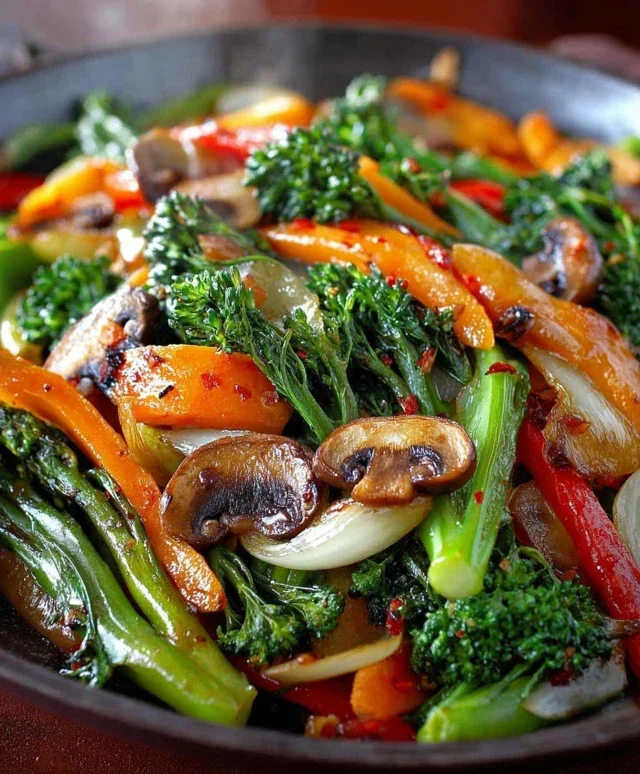
Your Healthy Sautéed Vegetables are now ready to be served! Transfer them to a serving dish. For an extra layer of texture and flavor, consider adding some optional toppings. Toasted slivered almonds or pine nuts add a lovely crunch. A sprinkle of sesame seeds or sunflower seeds is also a great choice. Freshly chopped herbs like parsley, chives, or basil can add a burst of freshness and color. If you’re not trying to keep it dairy-free or vegan, a light dusting of grated Parmesan cheese is also delicious. This dish pairs beautifully with grilled chicken or fish, can be added to pasta dishes, or enjoyed as a light and healthy meal on its own. Enjoy this vibrant and nutritious side!
Conclusion:
There you have it! A recipe for Healthy Sautéed Vegetables that truly delivers on its promise of being quick, flavorful, and incredibly nutritious. This simple yet versatile dish is a game-changer for anyone looking to add more vibrant, wholesome goodness to their meals. It’s the perfect way to transform ordinary vegetables into a delightful side that even picky eaters will enjoy. The beauty of this method lies in its simplicity, allowing the natural sweetness and textures of the vegetables to shine through, enhanced by just a few key seasonings.
This recipe is fantastic because it’s so adaptable. You can serve these vibrant sautéed vegetables alongside grilled chicken, baked fish, lean steak, or even as a hearty topping for quinoa or brown rice. For a complete vegetarian or vegan meal, pair them with tofu or tempeh. Don’t be afraid to get creative with your vegetable choices! Feel free to swap out the recommended vegetables for whatever is in season or whatever you have on hand. Think broccoli florets, asparagus spears, bell peppers of all colors, sweet potatoes, or even hearty knon-alcoholic ale. Experiment with different herbs and spices too – a pinch of red pepper flakes for heat, some smoked paprika for depth, or a squeeze of lemon juice at the end for brightness. I genuinely encourage you to try this recipe; it’s a foundation for so many delicious and healthy meals!
Frequently Asked Questions:
Q1: Can I use frozen vegetables for this recipe?
Yes, absolutely! Frozen vegetables can be a convenient option. If using frozen, ensure you thaw them thoroughly and pat them dry before sautéing to prevent them from becoming mushy and watery. You might need to adjust the cooking time slightly.
Q2: What kind of oil is best for sautéing?
For this recipe, a healthy oil with a relatively high smoke point is ideal. Olive oil (extra virgin extract or regular), avocado oil, or grapeseed oil are excellent choices. They provide a good flavor base and can withstand the heat required for sautéing.
Q3: How can I make these sautéed vegetables more of a main dish?
To turn this into a more substantial meal, consider adding a protein source directly to the sauté. Cooked chickpeas, black beans, diced firm tofu or tempeh, or even pre-cooked chicken or shrimp can be added in the last few minutes of cooking. You can also serve it over a bed of grains like quinoa or farro for added fiber and protein.
Healthy Sautéed Vegetables
A quick, flavorful, and nutritious side dish packed with fresh vegetables and seasoned to perfection.
Ingredients
-
2 tbsp olive oil
-
2 cloves garlic, minced
-
1 small onion, thinly sliced
-
1 bell pepper, sliced
-
1 zucchini, sliced into half-moons
-
1 cup broccoli florets
-
1 medium carrot, julienned or sliced thin
-
½ cup snap peas
-
½ cup mushrooms, sliced
-
Salt and black pepper, to taste
-
1 tsp lemon juice
-
1 tsp soy sauce
Instructions
-
Step 1
Prepare all vegetables by washing, chopping, slicing, or mincing as indicated in the ingredient list. -
Step 2
Heat the olive oil in a large skillet or wok over medium-high heat. -
Step 3
Add the minced garlic and thinly sliced onion to the hot oil and sauté for 1-2 minutes until fragrant and slightly softened. -
Step 4
Add the sliced bell pepper, zucchini, broccoli florets, julienned carrot, and snap peas to the skillet. Stir-fry for 5-7 minutes until the vegetables are tender-crisp. -
Step 5
Add the sliced mushrooms and continue to sauté for another 2-3 minutes until the mushrooms are cooked through. -
Step 6
Season the vegetables with salt and black pepper to taste. Stir in the lemon juice and soy sauce (if using). -
Step 7
Serve hot, optionally topped with toasted nuts, seeds, fresh herbs, or grated Parmesan.
Important Information
Nutrition Facts (Per Serving)
It is important to consider this information as approximate and not to use it as definitive health advice.
Allergy Information
Please check ingredients for potential allergens and consult a health professional if in doubt.