
Easy Miso Soup Recipe- Quick & Authentic Flavor
Miso soup recipe, the cornerstone of Japanese cuisine and a hug in a bowl, is something I’ve come to adore for its incredible simplicity and profound flavor. There’s a reason this humble dish is a staple in homes and restaurants across Japan – it’s deeply comforting, incredibly versatile, and surprisingly easy to make. Whether you’re looking for a light starter to a meal, a nourishing midday pick-me-up, or a way to cleanse your palate, a perfectly prepared miso soup delivers. What makes this particular miso soup recipe so special is its ability to be both a canvas for fresh ingredients and a deeply satisfying experience on its own. The delicate balance of savory, umami-rich miso paste with the subtle sweetness of dashi broth creates an unparalleled depth of flavor that warms you from the inside out. It’s the kind of dish that feels both authentic and achievable, inviting you to bring a taste of Japan right into your own kitchen. Get ready to discover the magic of making your own delicious miso soup recipe.
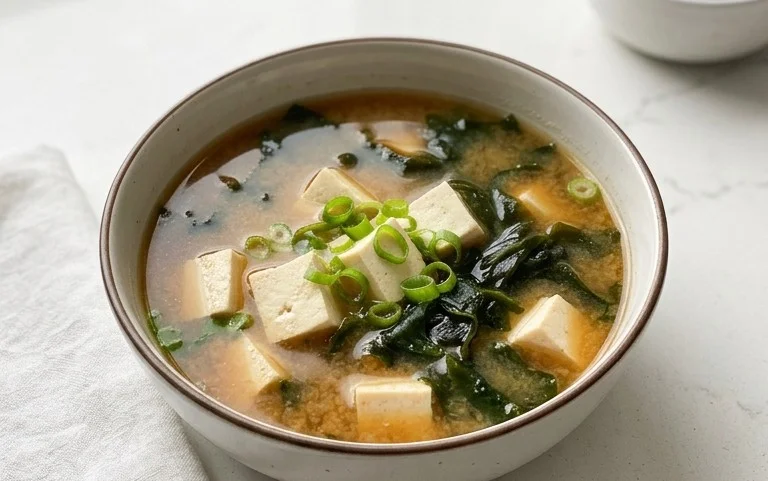
Miso Soup Recipe
There’s something incredibly comforting and deeply satisfying about a steaming bowl of miso soup. It’s a staple in Japanese cuisine, often served as a starter to a meal, but it’s also hearty enough to be a light lunch on its own. The beauty of miso soup lies in its simplicity and the versatility of its core ingredient: miso paste. This fermented soybean paste offers a complex, umami-rich flavor profile that’s both savory and slightly sweet. Making it at home is surprisingly easy, and once you master this basic recipe, you can start experimenting with your own favorite additions. This recipe focuses on the classic, foundational miso soup, perfect for begin extractners and seasoned cooks alike.
Ingredients:
Cooking Instructions
This recipe is designed to be straightforward and yield a delicious, authentic-tasting miso soup. The key is to work with the dashi and miso paste correctly to extract the best flavor without overcooking or compromising the delicate nuances of the miso.
Preparing the Dashi and Seaweed
1. Start by preparing your dashi. If you’re using instant dashi granules, simply follow the package instructions to dissolve them in hot water. For a more traditional approach, you can make dashi from scratch using kombu (dried kelp) and katsuobushi (dried bonito flakes), but for this quick recipe, instant dashi is perfectly acceptable and will still give you a wonderful base. You should have 2½ cups of liquid dashi ready.
2. Next, rehydrate your dried seaweed. This is often wakame, which is commonly used in miso soup. Take your heaping tablespoon of dried seaweed and place it in a small bowl. Pour a little warm water over it, just enough to cover. Let it sit for about 5-10 minutes. You’ll notice it expands significantly and becomes tender. Once rehydrated, gently squeeze out any excess water and set it aside. If your seaweed is in larger pieces, you might want to give it a rough chop to make it easier to eat.
Assembling and Simmering the Soup
3. Now, pour the prepared dashi into a medium saucepan. Bring the dashi to a gentle simmer over medium heat. Avoid boiling the dashi vigorously, as this can dull its subtle flavors. Once it’s simmering, add the rehydrated seaweed. Let it simmer for a minute or two to allow the seaweed to soften further and infuse its oceanic notes into the dashi.
4. Carefully add the silken tofu to the simmering dashi and seaweed mixture. Use a spoon to gently separate the pieces if they are sticking together. Be very gentle with silken tofu, as it is delicate and can break apart easily. Let the tofu warm through for another minute or so. At this stage, your soup base is almost ready. The tofu will absorb some of the flavors from the dashi.
Incorporating the Miso Paste
5. This is the most crucial step for achieving perfect miso soup. Remove the saucepan from the direct heat. You do not want to boil the miso paste, as high temperatures can diminish its beneficial enzymes and alter its flavor. In a separate small bowl or directly in the pot, take a ladleful of the warm dashi and seaweed mixture. Add your miso paste (start with 2 tablespoons) to this ladleful of dashi. Whisk it vigorously with a fork or a small whisk until the miso paste is completely dissolved and smooth, creating a slurry. This technique ensures that the miso integrates smoothly into the soup without clumping.
6. Pour the dissolved miso slurry back into the saucepan with the rest of the dashi, seaweed, and tofu. Stir gently to distribute the miso evenly throughout the soup. Taste the soup at this point. If you prefer a more pronounced miso flavor, you can add the remaining half tablespoon of miso paste, dissolving it in a little more dashi first before adding it to the pot. Adjust the seasoning until it’s just right for your palate. Remember, miso paste is salty, so add it gradually.
Serving Your Miso Soup
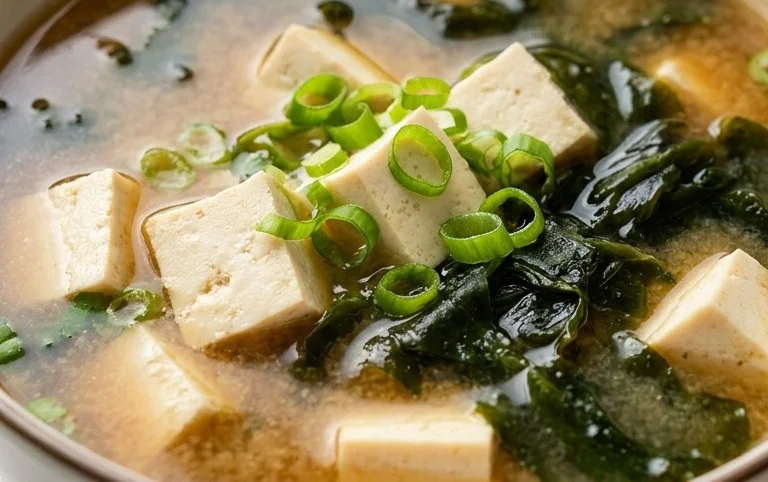
7. Once the miso is fully incorporated and the soup has reached your desired flavor intensity, it’s ready to serve. Ladle the hot miso soup into individual bowls. Garnish each bowl with the chopped scallions. The fresh, bright flavor of the scallions provides a lovely contrast to the rich, savory broth. Serve immediately as a delicious and healthy starter or a light meal. Enjoy the warmth and complex flavors of your homemade miso soup!
Conclusion:
And there you have it! Crafting a delicious and authentic miso soup recipe at home is surprisingly simple, proving that you don’t need to be a seasoned chef to create something truly comforting and flavorful. This recipe is a winner because it’s incredibly versatile, quick to prepare, and offers a depth of umami that’s both satisfying and nourishing. Whether you’re looking for a light starter, a side dish to complement your Japanese meal, or even a quick and healthy snack, this miso soup delivers.
We love serving this alongside sushi, ramen, or even with a simple grilled fish. For a heartier meal, consider adding in some cooked tofu, thinly sliced chicken, or extra vegetables like spinach or bok choy. Don’t be afraid to experiment with different types of miso paste – each offers a unique flavor profile. Red miso provides a more robust, salty taste, while white miso is milder and sweeter. You can also incorporate ingredients like shiitake mushrooms for an extra earthy note or a sprinkle of toasted sesame seeds for added texture.
I truly encourage you to give this miso soup recipe a try. It’s a wonderful introduction to Japanese home cooking and a recipe you’ll find yourself returning to again and again.
Frequently Asked Questions:
What is miso paste and where can I find it?
Miso paste is a traditional Japanese seasoning made from fermented soybeans, rice, or barley. It’s rich in umami and provides a unique salty, savory flavor. You can typically find it in the refrigerated section of most well-stocked supermarkets, Asian grocery stores, or health food stores.
Can I make miso soup ahead of time?
While the flavor is best when enjoyed fresh, you can prepare the dashi broth and have your solid ingredients ready in advance. It’s best to add the miso paste just before serving to preserve its delicate flavor and beneficial probiotics. Reheating miso soup gently is possible, but avoid boiling it vigorously after the miso has been added, as this can diminish its taste and nutrients.
Miso Soup Recipe
A simple and comforting classic Japanese miso soup.
Ingredients
-
2½ cups Dashi
-
1 heaping tablespoon dried wakame seaweed
-
4 oz silken tofu, cut into small pieces
-
2 tablespoons white miso paste
-
1 tablespoon scallion, chopped
-
½ teaspoon sesame oil (optional)
Instructions
-
Step 1
In a medium saucepan, bring the dashi to a gentle simmer over medium heat. -
Step 2
Add the dried wakame seaweed and let it rehydrate for about 2-3 minutes. -
Step 3
Gently add the silken tofu pieces to the simmering dashi. -
Step 4
In a small bowl, whisk the miso paste with a ladleful of the hot dashi until smooth. This prevents clumps. -
Step 5
Pour the dissolved miso mixture back into the saucepan. Stir gently to combine. -
Step 6
Heat the soup through, but do not boil it after adding the miso, as this can diminish its flavor and beneficial properties. Simmer for another 1-2 minutes. -
Step 7
Ladle the miso soup into bowls and garnish with chopped scallions and a drizzle of sesame oil, if desired.
Important Information
Nutrition Facts (Per Serving)
It is important to consider this information as approximate and not to use it as definitive health advice.
Allergy Information
Please check ingredients for potential allergens and consult a health professional if in doubt.