
Easy Chimichurri Sauce Recipe – Fresh & Flavorful
Chimichurri sauce recipe: Get ready to unlock a world of vibrant flavor with this quintessential Argentinian condiment! If you’ve ever savored the smoky char of grilled steak or the bright zest of roasted vegetables and wondered what that magical green sauce was, you’ve likely encountered the incredible power of chimichurri. This isn’t just any sauce; it’s an explosion of herbaceous goodness, a zesty dance of parsley, oregano, garlic, vinegar, and olive oil that elevates everything it touches. People adore chimichurri for its unparalleled freshness and its ability to cut through richness, making any dish sing. What truly makes our chimichurri sauce recipe special is its simplicity and the incredible depth of flavor it achieves with just a few fresh ingredients. It’s the secret weapon in my kitchen for adding that je ne sais quoi to practically everything.
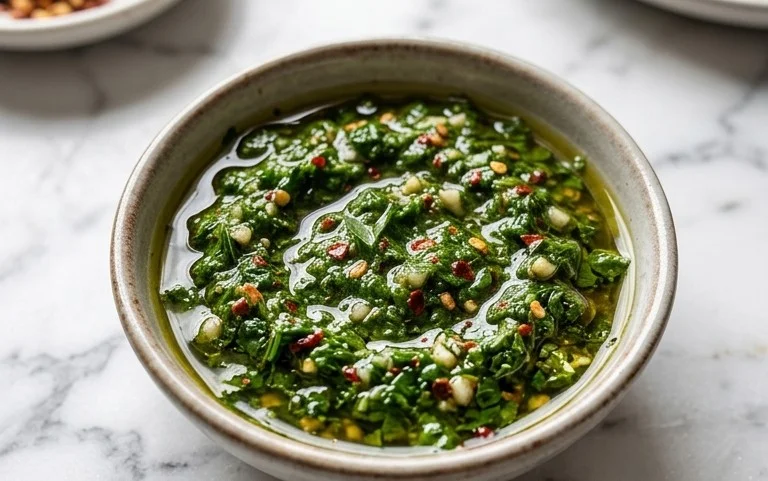
Chimichurri Sauce Recipe
There are some sauces that are so versatile, so packed with flavor, and so incredibly easy to make that they become a staple in any kitchen. Chimichurri sauce is precisely one of those magical creations. Hailing from Argentina and Uruguay, this vibrant green sauce is a powerhouse of fresh herbs and zesty vinegar, perfect for elevating grilled meats, roasted vegetables, fish, and even as a dip for bread. It’s a refreshing counterpoint to richer dishes and a simple way to add a burst of freshness to almost anything you can think of. Forget those store-bought versions; making your own chimichurri is a game-changer, and it takes mere minutes to whip up a batch. The key is using the freshest ingredients possible to really let those bright, herbaceous flavors shine through. Let’s dive into how you can create this delicious condiment at home.
Ingredients:
Crafting Your Chimichurri: Step-by-Step
The beauty of chimichurri lies in its simplicity. You can achieve a wonderfully authentic texture by hand-chopping, which allows you to control the coarseness of your ingredients, or by using a food processor for a quicker, more uniform result. I personally love the slightly rustic texture that comes from hand-chopping, as it gives the sauce a more artisanal feel. However, if you’re short on time, a food processor is your best friend.
Step 1: Prepare the Fresh Herbs
Begin extract by meticulously picking the leaves from the stems of your parsley, cilantro, and oregano. Stems can be tough and fibrous, so removing them is crucial for a smooth, enjoyable sauce. A good rule of thumb is to use just the leafy parts. Once you have your leaves separated, give them a thorough rinse under cool water and then pat them completely dry with paper towels or use a salad spinner. Excess water will dilute the flavors and can prevent the oil and vinegar from emulsifying properly. For the parsley and cilantro, I like to gather the leaves into a loose ball before finely chopping. For the oregano, since the leaves are smaller, you can chop them more directly. Aim for a fine chop, but don’t worry about achieving a paste-like consistency at this stage.
Step 2: Mince the Aromatics
Next, we move on to the aromatics. Take your roughly chopped red onion or shallots and, if you didn’t chop them finely enough in the initial step, give them another go with your knife until they are quite small. The goal here is to distribute their pungent sweetness evenly throughout the sauce. Then, add your peeled garlic cloves. You can either mince them very finely with your knife or, if you prefer a more intense garlic flavor and a smoother texture, you can crush them with the side of your knife to release their oils before mincing. The red pepper flakes are added now to infuse their gentle heat into the mixture. If you enjoy a spicier kick, feel free to increase this amount slightly.
Step 3: Combine and Emulsify
Now it’s time to bring everything together. In a medium bowl, combine the finely chopped parsley, cilantro, oregano, red onion or shallots, minced garlic, and red pepper flakes. Pour in the extra-virgin extract olive oil. This is the base of our dressing, providing richness and carrying the flavors. Whisk in the red grape juice vinegar and the fresh lemon juice. The combination of red grape juice vinegar (or red grape juice vinegar, which offers a slightly sweeter profile) and lemon juice provides that essential tang and acidity that cuts through richness and brightens everything up. Stir everything together thoroughly. Don’t be alarmed if it looks a bit separated at first; this is normal. Continue to whisk until the ingredients are well incorporated.
Step 4: Season and Rest
Finally, season your chimichurri with kosher salt. Start with the recommended amount and taste. You can always add more salt, but you can’t take it away! Whisk the salt in until it’s fully dissolved. Now comes a crucial step for allowing the flavors to meld and deepen: let the chimichurri rest. Cover the bowl and refrigerate for at least 30 minutes before serving. This resting period is where the magic truly happens. The herbs will soften, the garlic’s bite will mellow slightly, and all the individual flavors will begin extract to harmonize into a complex and delicious whole. The longer it rests (within reason, of course, it’s best consumed within a few days), the more the flavors will develop.
Step 5: Taste and Adjust (The Final Frontier)
Before you serve your beautiful chimichurri, give it a final taste. This is your chance to make any last-minute adjustments to suit your palate. Is it bright enough? You might need a touch more lemon juice. Does it need a bit more zing? A splash more vinegar. Is the salt just right? If not, add a pinch more. Sometimes, depending on the potency of your herbs or the acidity of your vinegar, you might find yourself wanting to tweak these elements. Don’t be shy about tasting and adjusting; that’s how you achieve chimichurri perfection. Once you’re happy with the flavor profile, it’s ready to be drizzled, spooned, or dipped!
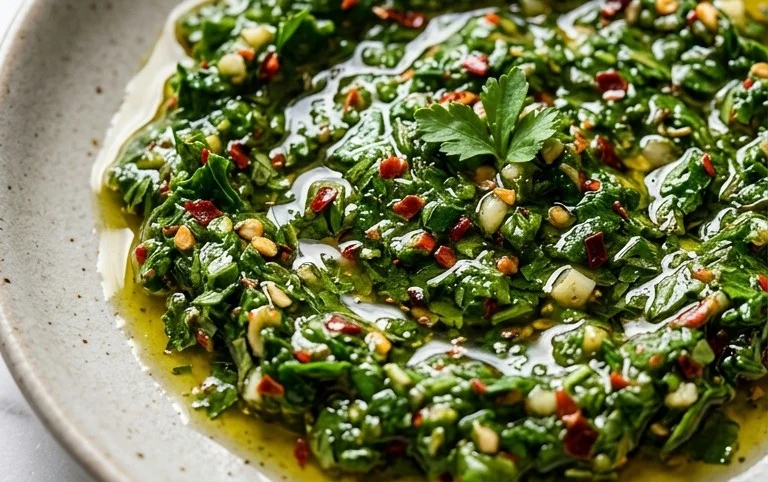
This chimichurri sauce is incredibly forgiving and adaptable. While the recipe above provides a fantastic foundation, feel free to experiment with variations. Some people add a pinch of cumin for a smokier note, or a small amount of finely chopped fresh mint for an extra layer of freshness. However, for a classic and undeniably delicious chimichurri, this recipe is hard to beat. Enjoy it generously!
Conclusion:
You’ve now learned how to create our fantastic Chimichurri Sauce Recipe, a vibrant and herbaceous condiment that’s incredibly versatile and surprisingly easy to make. Its bright, zesty flavor profile, driven by fresh parsley, cilantro, garlic, and a touch of vinegar, is the perfect counterpoint to rich, grilled meats like steak, chicken, and beef. But don’t stop there! This delicious sauce elevates roasted vegetables, adds a punch to sandwiches and wraps, and can even be used as a flavorful marinade. The beauty of homemade chimichurri lies in its freshness and adaptability. Experiment with the ratios of herbs to suit your taste, or add a pinch of red pepper flakes for a little heat. I truly encourage you to give this Chimichurri Sauce Recipe a try – you’ll be amazed at how often you reach for it once you have it on hand. It’s a simple way to transform everyday meals into something truly special.
Frequently Asked Questions:
How long does chimichurri sauce last?
Freshly made chimichurri sauce can be stored in an airtight container in the refrigerator for up to 5-7 days. The flavors tend to meld and deepen over time, so it often tastes even better on the second or third day!
Can I freeze chimichurri sauce?
Yes, you can absolutely freeze chimichurri sauce. For best results, freeze it in an ice cube tray. Once frozen, transfer the cubes to a freezer-safe bag or container. This makes it easy to thaw and use individual portions as needed. Frozen chimichurri will last for several months.
Chimichurri Sauce Recipe
A vibrant and herbaceous Argentinian sauce perfect for grilling or as a marinade.
Ingredients
-
1 cup fresh Italian flat-leaf parsley, leaves only, stems removed
-
1/4 cup fresh cilantro, leaves only, stems removed
-
1/4 cup fresh oregano, leaves only, stems removed
-
1/3 cup roughly chopped red onion
-
3 cloves garlic, peeled
-
1/2 teaspoon red pepper flakes
-
1/2 cup extra-virgin olive oil
-
1/4 cup red grape juice vinegar
-
3 tablespoons fresh lemon juice
-
1 teaspoon kosher salt
Instructions
-
Step 1
Finely chop the fresh parsley, cilantro, and oregano. -
Step 2
In a medium bowl, combine the chopped herbs, red onion, minced garlic, and red pepper flakes. -
Step 3
Pour in the extra-virgin olive oil and red grape juice vinegar. -
Step 4
Add the fresh lemon juice and kosher salt. -
Step 5
Stir all ingredients together until well combined. For best flavor, let the sauce sit for at least 10 minutes to allow the flavors to meld. -
Step 6
Taste and adjust seasoning if necessary. Serve with grilled meats, poultry, or vegetables.
Important Information
Nutrition Facts (Per Serving)
It is important to consider this information as approximate and not to use it as definitive health advice.
Allergy Information
Please check ingredients for potential allergens and consult a health professional if in doubt.