Dairy Free Pesto Recipe – Fresh Flavor
Dairy Free Pesto is more than just a vibrant green sauce; it’s a flavor revelation that brings sunshine to any plate. For years, I’ve adored the bright, herbaceous punch of traditional pesto, but the dairy component always left me wanting a delicious alternative. That’s precisely why I embarked on a quest to create a truly spectacular dairy free pesto, and let me tell you, the results are nothing short of magical.
Why we love it?
Imagin extracte the zing of fresh basil, the nutty depth of pine nuts, the sharp bite of garlic, all perfectly balanced with good quality olive oil. It’s the kind of sauce that instantly elevates pasta, grilled vegetables, or even a simple slice of toasted bread. What makes this dairy free pesto truly special is its ability to capture that authentic pesto essence without relying on any cheese. It’s a testament to the power of simple, fresh ingredients and a little culinary creativity. Get ready to fall in love with a sauce that’s both incredibly satisfying and wonderfully inclusive.
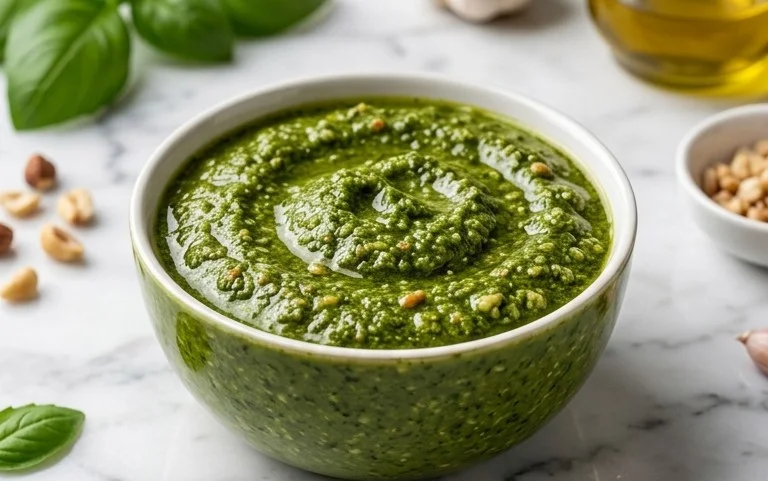
The Ultimate Dairy-Free Pesto: Fresh, Flavorful, and Fabulous
As a lover of all things fresh and vibrant, pesto has always held a special place in my heart. The bright, herbaceous aroma, the satisfying texture, and its incredible versatility make it a kitchen staple. However, for many of us navigating a dairy-free lifestyle, the traditional parmesan cheese in pesto can be a barrier. Well, fret no more! Today, I’m sharing my go-to recipe for a dairy-free pesto that is just as rich, flavorful, and satisfying as the classic, if not more so. This recipe swaps out the dairy for a secret ingredient that adds a wonderful umami depth and a hint of cheesiness – nutritional yeast. It’s incredibly simple to make, requiring just a few fresh ingredients and a food processor or blender. Whether you’re drizzling it over pasta, spreading it on a sandwich, or using it as a dip, this dairy-free pesto is sure to become a favorite.
Ingredients:
Getting Started: Preparing Your Ingredients
Before we dive into the blending, let’s make sure we have everything ready to go. Start by washing and thoroughly drying your basil leaves. Excess water can dilute the flavor of your pesto and make it a bit watery, so a salad spinner or a gentle pat-down with paper towels is a good idea. Next, gather your pine nuts. If you’re using walnuts or pumpkin seeds, give them a quick toast in a dry skillet over medium heat for a few minutes until fragrant. This toasting step really brings out their flavor and adds a lovely depth to the pesto. Peel your garlic cloves. While you can technically use them unpeeled, peeling ensures a smoother texture and a more pleasant, less overpowering garlic flavor. Juice half a lemon; you’re looking for about two tablespoons of fresh lemon juice. This acidity is crucial for balancing the richness of the nuts and oil, and it also helps to brighten the basil’s flavor. Measure out your olive oil, salt, and nutritional yeast. If you’re feeling adventurous and want to skip the nutritional yeast altogether, you can omit it, but I highly recommend giving it a try for that authentic pesto experience without the dairy.
Blending the Magic: Creating Your Dairy-Free Pesto
Now for the fun part – transforming these simple ingredients into a glorious pesto!
Step 1: Toasting and Blending the Nuts and Garlic
In the bowl of your food processor (or blender), add your pine nuts (or your chosen alternative), along with the peeled garlic cloves. Pulse these ingredients together a few times until they are roughly chopped. We don’t want a fine powder yet; we’re just breaking them down a bit to release their oils and get them ready to mingle with the other ingredients. This initial pulsing helps create a good texture foundation for our pesto.
Step 2: Adding the Basil and Lemon
Add the packed basil leaves to the food processor. Don’t be alarmed if it looks like a lot; basil wilts down considerably as it’s processed. Pour in the fresh lemon juice you squeezed earlier. The acidity here is key – it cuts through the richness and brightens everything up, giving the pesto that fresh, zesty kick we all love.
Step 3: The First Blend and Incorporating the Nutritional Yeast
Now, pulse the ingredients again until the basil is finely chopped and the mixture starts to come together. Scrape down the sides of the food processor bowl with a spatula to ensure everything is incorporated evenly. At this stage, it’s time to add our secret weapon: the nutritional yeast. Sprinkle in the nutritional yeast. This is what gives our dairy-free pesto that wonderful, slightly nutty, umami flavor that mimics parmesan cheese without any dairy. If you’re not worried about keeping it dairy-free and want to go for the absolute classic taste, you can substitute the nutritional yeast with 1/4 cup of finely grated parmesan cheese at this point. Pulse a few more times to distribute the nutritional yeast throughout the mixture.
Step 4: Slowly Drizzling in the Olive Oil
With the food processor running on low, begin extract to slowly drizzle in the extra virgin extract olive oil through the feed tube. You’re looking for the pesto to emulsify and come together into a beautiful, smooth, yet slightly textured paste. This slow addition of oil is crucial for achieving the perfect consistency. You might not need all of the olive oil, or you might need a touch more, depending on how thick you like your pesto. The goal is a spreadable, but not runny, consistency.
Step 5: Seasoning and Final Touches
Once the olive oil is fully incorporated and you’ve reached your desired consistency, add the salt. Give it a final pulse to distribute the salt. Now, this is where you taste and adjust! Pesto is all about balance. Taste a small spoonful. Does it need a little more salt? A squeeze more lemon juice for brightness? Perhaps another teaspoon of nutritional yeast for a more pronounced “cheesy” flavor? Don’t be afraid to tweak it to your personal preference. Remember, the flavors will meld and deepen as it sits, so taste it after it’s been made and then again before you serve it for the best results.
Storing Your Delicious Dairy-Free Pesto
This dairy-free pesto is incredibly versatile and can be used in so many ways. Store it in an airtight container in the refrigerator for up to a week. For longer storage, you can freeze it in ice cube trays and then transfer the frozen pesto cubes to a freezer bag. This makes it super easy to grab a portion for a quick meal. Enjoy your vibrant, homemade dairy-free pesto!
Conclusion:
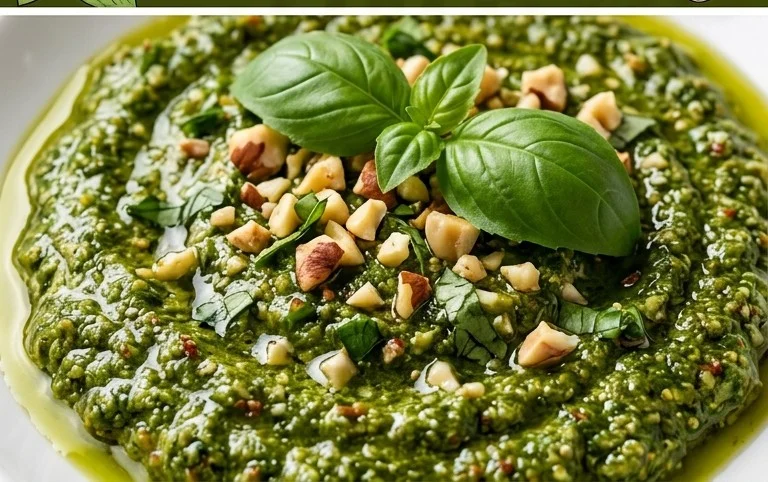
And there you have it – a delicious, vibrant, and incredibly versatile dairy free pesto that’s ready to elevate your meals! This recipe is a game-changer because it captures all the classic, fresh, herbaceous flavors of traditional pesto without any dairy. It’s wonderfully quick to whip up, making it perfect for weeknight dinners or a last-minute appetizer. I’m so excited for you to try it!
Think of all the ways you can enjoy this dairy free pesto! Toss it with your favorite pasta for an instant flavor bomb, spread it on grilled chicken or fish, dollop it onto roasted vegetables, or use it as a dip for crusty bread. For a delightful twist, consider adding sun-dried tomatoes for a sweeter, more intense flavor, or a pinch of chili flakes for a gentle kick. Don’t be afraid to experiment and make it your own. I truly encourage you to give this dairy free pesto a try; you might be surprised at how much you love it!
Frequently Asked Questions:
How long does dairy free pesto last?
Stored in an airtight container in the refrigerator, this dairy free pesto should stay fresh for about 5-7 days. You can also freeze it in ice cube trays for smaller, convenient portions that last much longer, up to a few months.
Can I use different nuts in this recipe?
Absolutely! While pine nuts are traditional, walnuts, almonds, or even sunflower seeds (for a nut-free option) work wonderfully and offer their own unique flavor profiles. Adjust to your preference!
Dairy Free Pesto
A vibrant and flavorful dairy-free pesto made with fresh basil, pine nuts, garlic, and lemon. Perfect for pasta, sandwiches, or as a dip.
Ingredients
-
3 cups basil
-
1/2 lemon (juiced)
-
1/2 cup pine nuts
-
2 cloves garlic
-
1/4 cup olive oil
-
1/2 tsp salt
-
2 tbsp nutritional yeast
Instructions
-
Step 1
Toast the pine nuts in a dry skillet over medium heat until lightly golden and fragrant. Let cool. -
Step 2
Combine the basil, cooled pine nuts, garlic, and salt in a food processor. -
Step 3
Pulse until the ingredients are roughly chopped. -
Step 4
Slowly drizzle in the olive oil while the food processor is running, until the pesto reaches your desired consistency. -
Step 5
Add the lemon juice and nutritional yeast (if using). Pulse a few more times to combine. -
Step 6
Taste and adjust seasoning if necessary. Serve immediately or store in an airtight container in the refrigerator.
Important Information
Nutrition Facts (Per Serving)
It is important to consider this information as approximate and not to use it as definitive health advice.
Allergy Information
Please check ingredients for potential allergens and consult a health professional if in doubt.