Classic Carbonara Pasta – Simple Authentic Recipe
Carbonara pasta: a dish that whispers of Roman trattorias, lazy Sunday afternoons, and pure, unadulterated comfort. If you’ve ever found yourself craving a meal that’s both remarkably simple and outrageously delicious, then you’ve likely encountered the siren call of this iconic Italian classic. What is it about this seemingly straightforward combination of eggs, hard cheese, cured beef, and black pepper that captures our hearts (and stomachs)? It’s the magical alchemy that happens when these humble ingredients unite. The creamy, velvety sauce, achieved through a masterful balance of heat and emulsification, coats every strand of pasta in a luxurious embrace. It’s a testament to the beauty of quality ingredients speaking for themselves. Forget fussy techniques; authentic Carbonara pasta is about celebrating pure flavor and achieving a texture that is simply divine. Get ready to create your own unforgettable bowl of this beloved Carbonara pasta.
The Art of Authentic Carbonara: A Creamy, Savory Delight
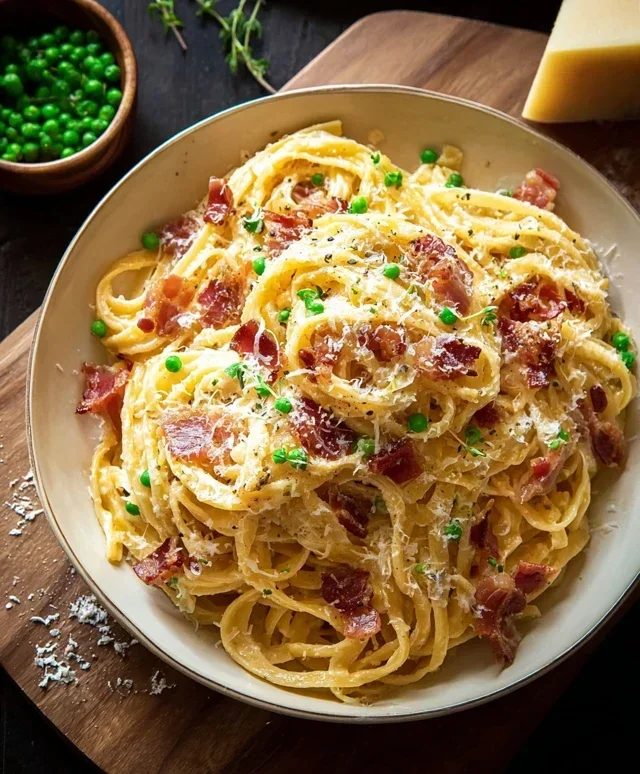
Ah, Carbonara. Just the name conjures images of silky pasta coated in a rich, eggy sauce, punctuated by savory morsels of cured beef. This is not your average weeknight pasta dish; it’s an experience, a testament to how a few simple, high-quality ingredients can create something truly magical. Forget the cream, folks – the authentic Carbonara relies on the emulsification of egg yolks, cheese, and starchy pasta water to achieve its signature creamy texture. It’s a dish that’s deceptively easy to make, yet offers endless opportunities for refinement. Today, I’m going to guide you through the process of creating a Carbonara that will transport you straight to the heart of Rome.
Ingredients:
Crafting Your Carbonara Masterpiece: The Steps
This recipe is all about timing and technique. Once you start cooking the pasta, things move quickly, so having all your ingredients prepped and ready to go is key. Let’s dive in!
1. Prepare Your Flavor Base: Rendering the Beef Pancetta
Start by placing your diced beef beef pancetta (or beef beef bacon, if that’s what you’re using) in a cold, large skillet or sauté pan. The trick here is to start with a cold pan. This allows the fat to render out slowly and evenly, creating crispy, golden nuggets of deliciousness without burning the meat. Turn the heat to medium-low and cook, stirring occasionally, for about 8-10 minutes, or until the beef pancetta is nicely browned and crispy. Once it’s achieved that perfect crisp, use a slotted spoon to remove the beef pancetta from the pan and set it aside on a plate lined with paper towels. Don’t discard the rendered fat in the pan – this golden liquid gold is packed with flavor and will be essential for our sauce.
2. The Heart of the Sauce: Whisking the Eggs and Cheese
While the beef pancetta is rendering, let’s get our egg mixture ready. In a medium bowl, crack your two large eggs. Add the grated Pecorino Romano and grated Parmesan cheeses to the bowl. Now, this is where the magic starts to happen. Add a generous amount of freshly cracked black pepper – at least ½ teaspoon, but don’t be shy if you love a bit of spice. Whisk everything together vigorously with a fork or a whisk until it forms a smooth, cohesive paste. The cheese will start to absorb some of the moisture from the eggs, creating a thick, rich mixture. Set this aside.
3. Cooking the Spaghetti: The Foundation of Your Dish
Bring a large pot of generously salted water to a rolling boil. This is crucial for flavoring the pasta from the inside out. Add your 12 oz of spaghetti and cook according to the package directions until it’s perfectly al dente. You want it to have a slight bite, not be mushy. As the spaghetti cooks, pay close attention to the cooking time. Just before draining, and this is a vital step, scoop out about ½ cup of the starchy pasta water and set it aside. This cloudy water is your secret weapon for achieving that luxurious, creamy sauce without any cream.
4. Marrying the Flavors: The Garlic and Pasta
Once the spaghetti is al dente, drain it quickly, but don’t rinse it. Immediately add the drained spaghetti directly into the skillet containing the rendered beef pancetta fat. Turn the heat to low and toss the spaghetti around in the fat for about 30 seconds to coat every strand. Now, add your minced garlic to the pan. Sauté the garlic with the pasta for another minute, just until it’s fragrant. Be careful not to burn the garlic; burnt garlic will impart a bitter flavor. This step infuses the pasta with the savory notes from the beef pancetta fat and the aroma of the garlic.
5. The Grand Finnon-alcoholic ale: Emulsifying the Sauce
This is the most critical stage, and it needs to happen off the heat to prevent the eggs from scrambling. Remove the skillet from the heat. Now, working quickly, pour your egg and cheese mixture over the hot pasta. Immediately begin extract to toss and stir the pasta vigorously. As you stir, gradually add small amounts of the reserved hot pasta water, a tablespoon at a time. The heat from the pasta and the fat will gently cook the eggs, and the starch from the pasta water will emulsify with the egg and cheese to create a creamy, glossy sauce that clings beautifully to each strand of spaghetti. Continue adding pasta water and tossing until you reach your desired consistency. You’re looking for a sauce that coats the pasta, not a watery mess or a thick, clumpy scramble. Finally, stir in the reserved crispy beef pancetta. Taste and adjust seasoning with more black pepper if desired, though you likely won’t need extra salt due to the beef pancetta and Pecorino.
Serve your Carbonara immediately in warm bowls, perhaps with an extra sprinkle of Pecorino Romano and a final dusting of black pepper. This dish is best enjoyed fresh, so gather your loved ones and savor every delightful bite. Buon appetito!
Conclusion:
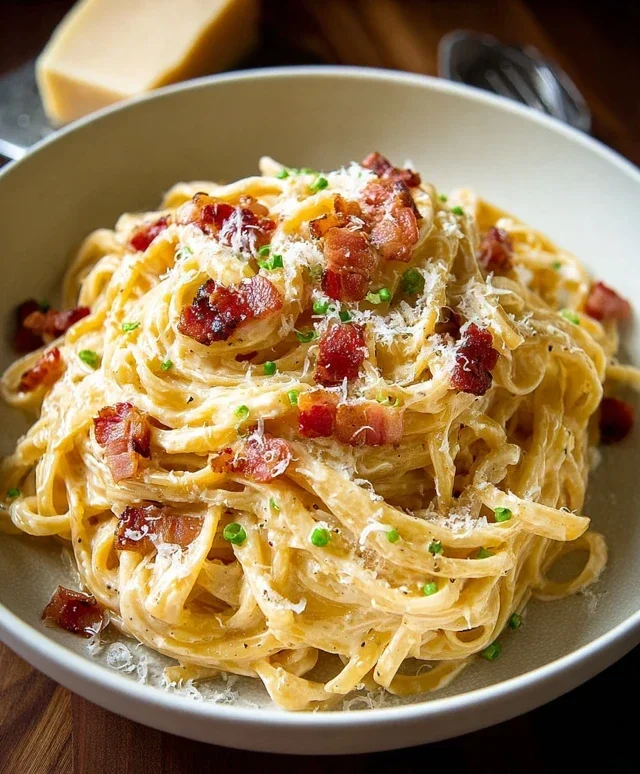
There you have it – your guide to creating an absolutely delicious and authentic Carbonara Pasta! This recipe is fantastic because it proves that simple, high-quality ingredients can create an incredibly rich and satisfying meal. The magic lies in the creamy emulsification of egg yolks, Pecorino Romano cheese, rendered guancinon-alcoholic ale fat, and the starchy pasta water. It’s a testament to Italian culinary brilliance that such a humble dish can be so utterly divine.
I love serving this Carbonara simply, perhaps with a sprinkle of extra Pecorino Romano and a crack of fresh black pepper. For a more complete meal, a light side salad with a zesty vinaigrette provides a refreshing contrast to the richness of the pasta. Don’t be afraid to experiment with variations! While the classic uses guancinon-alcoholic ale, beef pancetta is a widely available substitute. Some adventurous cooks even add a touch of cream for extra indulgence, though purists might frown!
I truly encourage you to give this Carbonara Pasta recipe a try. It’s surprisingly quick to make, making it perfect for a weeknight treat, yet impressive enough for a special occasion. Mastering this dish will bring a taste of Rome right into your kitchen. Enjoy every creamy, peppery bite!
Frequently Asked Questions:
What kind of pasta is best for Carbonara?
Traditionally, spaghetti is used, but bucatini or rigatoni also work wonderfully. The key is to use a pasta with a good surface area to hold the creamy sauce. Remember to reserve that starchy pasta water – it’s crucial!
Why is my Carbonara sauce not creamy?
This usually happens if the eggs cook too quickly from too much direct heat, scrambling them instead of creating a smooth sauce. The trick is to temper the eggs with a little hot pasta water and then toss the pasta vigorously off the heat. Ensure your heat is low and controlled when adding the egg mixture.
Can I make Carbonara vegetarian?
While not traditional, you can create a vegetarian version. You would omit the guancinon-alcoholic ale and use a smoky ingredient like smoked paprika or sautéed mushrooms for that depth of flavor. You’ll still need the Pecorino Romano, egg yolks, and pepper for the classic sauce base.
Classic Carbonara Pasta
A rich and creamy Roman pasta dish made with a simple yet flavorful sauce.
Ingredients
-
12 oz spaghetti
-
4 oz beef pancetta (or beef bacon), diced
-
2 large eggs
-
¾ cup grated Pecorino Romano (or Parmesan)
-
½ cup grated Parmesan
-
2 cloves garlic, minced
-
½ tsp black pepper
-
½ tsp salt
-
½ cup reserved pasta water
Instructions
-
Step 1
Cook spaghetti according to package directions in salted boiling water. Reserve about 1 cup of pasta water before draining. -
Step 2
While pasta cooks, sauté diced beef pancetta (or beef bacon) in a large skillet over medium heat until crispy. Remove pancetta from skillet, leaving rendered fat. -
Step 3
Add minced garlic to the skillet with the pancetta fat and cook for about 1 minute until fragrant, being careful not to burn. -
Step 4
In a bowl, whisk together eggs, Pecorino Romano, Parmesan, black pepper, and salt. Gradually whisk in about ½ cup of the reserved pasta water to temper the eggs. -
Step 5
Add drained spaghetti to the skillet with the garlic and pancetta fat. Toss to coat. -
Step 6
Remove the skillet from heat. Quickly pour the egg and cheese mixture over the hot pasta, tossing continuously to create a creamy sauce. Add more reserved pasta water as needed to reach desired consistency. -
Step 7
Stir in the crispy pancetta. Serve immediately, garnished with extra Pecorino Romano and black pepper if desired.
Important Information
Nutrition Facts (Per Serving)
It is important to consider this information as approximate and not to use it as definitive health advice.
Allergy Information
Please check ingredients for potential allergens and consult a health professional if in doubt.