Authentic Chimichurri Sauce- Zesty Herb Flavor
Chimichurri sauce is more than just a condiment; it’s an experience. Hailing from Argentina and Uruguay, this vibrant, herbaceous sauce has a way of transforming simple grilled meats into culinary masterpieces. What is it about this emerald-green concoction that captures hearts and taste buds worldwide? It’s the perfect balance of fresh parsley and oregano, the zesty kick of garlic and red grape juice vinegar, all brought together with the subtle heat of chili flakes and the richness of olive oil. We love chimichurri sauce because it’s incredibly versatile – think of it as a magical elixir for steaks, chicken, fish, even roasted vegetables. It’s the kind of flavor-packed addition that makes you want to lick the plate clean. Get ready to unlock the secrets to making this iconic Argentinian chimichurri sauce yourself.
Chimichurri Sauce: The Vibrant Green Sauce That Elevates Everything
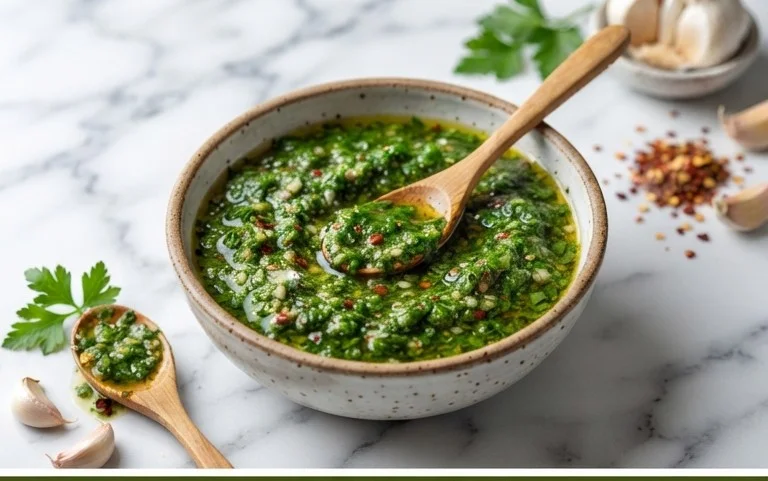
There are certain sauces that transcend their humble origin extracts to become culinary legends. Chimichurri is undoubtedly one of them. This bright, herbaceous, and slightly tangy Argentinian sauce is a revelation. It’s not just a condiment; it’s a flavor amplifier, capable of transforming grilled meats, roasted vegetables, and even a simple piece of bread into something extraordinary. Forget those store-bought versions; making authentic chimichurri at home is incredibly simple and yields a taste that is leagues beyond. The magic lies in the freshness of the ingredients and the perfect balance of herbs, garlic, and vinegar.
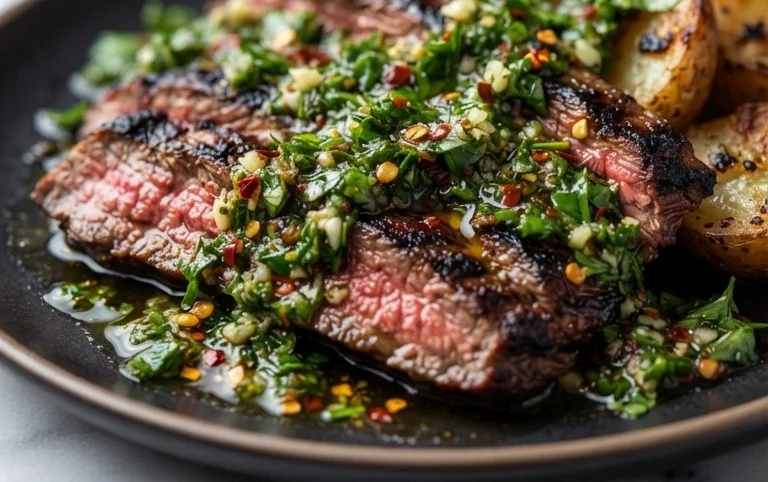
I love chimichurri because it’s so versatile. It’s the classic pairing for grilled steak, providing a zesty counterpoint to the rich, smoky meat. But don’t stop there! Drizzle it over chicken, fish, or beef. Toss it with roasted potatoes or Brussels sprouts. Use it as a marinade, a salad dressing, or even as a dip for empanadas. The possibilities are truly endless. The vibrant green hue alone is enough to brighten any plate, and its complex flavor profile – a delightful dance between fresh herbs, pungent garlic, and bright acidity – will leave your taste buds singin extractg. Let’s get started on creating this iconic sauce.
Ingredients:
Preparing Your Fresh Ingredients
The key to an exceptional chimichurri is the quality and freshness of your herbs. Before you begin extract, give your parsley and cilantro a good rinse under cool water and pat them thoroughly dry with paper towels. Excess water can dilute the flavor and make your sauce watery. For the parsley, you’ll want to remove most of the thicker stems, focusing on the leafy parts. This ensures a smoother texture. If you’re using fresh oregano, strip the leaves from the stems. If dried oregano is your only option, it will work, but the flavor will be less vibrant. The fresh herbs are the heart of this sauce, so don’t skimp on them!
Chopping and Mincing: The Foundation of Flavor
This is where the magic starts to happen, and it’s all about finely mincing your ingredients. The goal is to get a texture that is finely chopped, not pureed, allowing each herb and aromatic to be discernible yet integrated.
Resting and Adjusting Flavors
Once your chimichurri is mixed, resist the urge to serve it immediately! While it will be delicious, letting it sit for at least 15-30 minutes allows the flavors to meld and deepen. This resting period is crucial for developing the full complexity of the sauce. During this time, the herbs will release more of their oils, and the acidity will soften slightly, creating a more harmonious blend. Before serving, give it another quick stir. Taste it and adjust the salt and red pepper flakes as needed. If you find it too acidic, a tiny pinch more salt can sometimes balance it out. If it’s not bright enough, a touch more lemon juice can work wonders.
Enjoy your homemade chimichurri sauce! It’s a testament to the power of fresh ingredients and simple preparation.
Conclusion:
And there you have it! Mastering this vibrant chimichurri sauce recipe unlocks a world of flavor for your meals. Its fresh, herbaceous punch, driven by parsley and cilantro, balanced with the tang of vinegar and a kick of garlic and chili, makes it an incredibly versatile condiment. It’s incredibly simple to whip up, requiring minimal effort for maximum taste impact, making it perfect for both weeknight dinners and impressing guests. Whether you’re grilling steak, chicken, or vegetables, or even looking to elevate your roasted potatoes or sandwiches, this sauce is your secret weapon.
Don’t be afraid to experiment! Try adding different herbs like oregano or mint, or adjusting the chili flakes to your heat preference. This recipe is a fantastic base for your own culinary creations. I truly encourage you to give it a try – you’ll find yourself reaching for this delicious sauce time and time again. It’s truly a game-changer for any dish it graces!
Frequently Asked Questions:
How long does chimichurri sauce last?
When stored in an airtight container in the refrigerator, this fresh chimichurri sauce should last for about 3-5 days. The acidity from the vinegar helps preserve it, but it’s best enjoyed fresh for the brightest flavors.
Can I make chimichurri sauce ahead of time?
Yes, absolutely! In fact, letting the flavors meld for a few hours or even overnight in the refrigerator can enhance its deliciousness. Just ensure it’s tightly senon-alcoholic aled.
What are some non-traditional uses for chimichurri sauce?
Beyond grilled meats, consider using it as a dressing for grain bowls, a marinade for fish, stirred into dips like hummus or cream cheese, or even drizzled over scrambled eggs for an amazing breakfast boost!
Chimichurri Sauce
A vibrant and herbaceous Argentinian sauce, perfect for grilled meats and vegetables. This version offers a slight twist with a pork-to-beef substitution and alcohol-free vinegar.
Ingredients
-
1 1/2 cups well packed (42g) fresh parsley
-
1/2 cup well packed (20g) fresh cilantro
-
1/4 cup (9g) fresh oregano or 1 tsp dried
-
1/4 small red onion or one small shallot
-
3 garlic cloves
-
3 Tbsp red grape juice vinegar
-
2 Tbsp fresh lemon juice
-
1/2 tsp salt, (then more to taste)
-
1/4 tsp red pepper flakes ((optional, more or less to taste))
-
3/4 cup olive oil
Instructions
-
Step 1
Finely chop the fresh parsley, cilantro, oregano (if using fresh), red onion or shallot, and garlic. Alternatively, pulse them in a food processor until finely minced. -
Step 2
In a medium bowl, combine the chopped herbs, onion/shallot, garlic, red grape juice vinegar, lemon juice, salt, and red pepper flakes (if using). -
Step 3
Whisk the ingredients together until well combined. -
Step 4
Slowly drizzle in the olive oil while whisking continuously to emulsify the sauce. -
Step 5
Taste and adjust seasoning with more salt or red pepper flakes as desired. -
Step 6
For best flavor, let the chimichurri sauce sit at room temperature for at least 15-30 minutes before serving to allow the flavors to meld.
Important Information
Nutrition Facts (Per Serving)
It is important to consider this information as approximate and not to use it as definitive health advice.
Allergy Information
Please check ingredients for potential allergens and consult a health professional if in doubt.