
Easy Saucy Ramen Noodles- Quick & Delicious Meal
Easy Saucy Ramen Noodles are about to become your new weeknight savior. We all crave that comforting, slurp-able goodness of ramen, but sometimes the thought of a complicated broth can feel daunting. That’s where this recipe shines. Forget spending hours simmering bones; we’re talking about achieving incredible flavor and that irresistible saucy texture in a fraction of the time. What makes this dish so universally loved? It’s the perfect harmony of chewy noodles, a rich and savory sauce that coats every strand, and the sheer speed at which you can create a satisfying meal. This isn’t just ramen; it’s a flavor explosion waiting to happen, adaptable to your favorite pantry staples and ready to rescue any busy evening. Get ready to ditch the takeout menu and fall in love with homemade Easy Saucy Ramen Noodles.
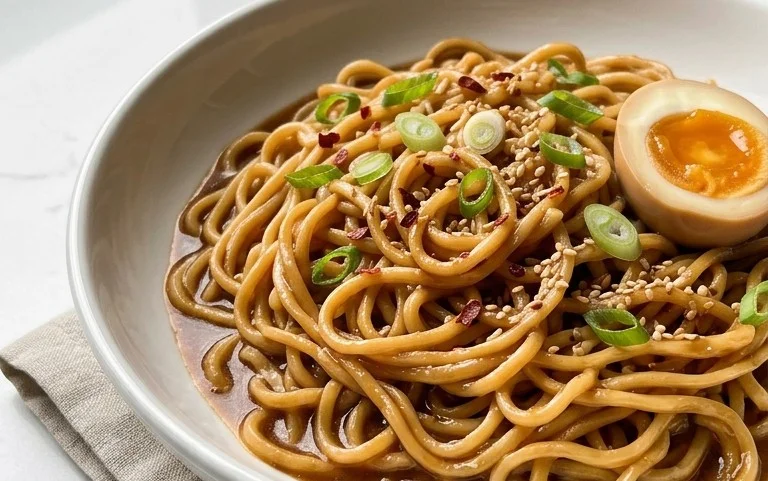
Easy Saucy Ramen Noodles
When you’re craving something warm, comforting, and bursting with flavor, but don’t have a lot of time or energy, this Easy Saucy Ramen Noodles recipe is your new best friend. Forget the bland, flavor-packet-only ramen! We’re elevating this simple dish into a delightful meal with a savory, slightly sweet, and tangy sauce that coats every strand of noodle. It’s incredibly versatile too – feel free to swap out the protein or veggies based on what you have on hand. This recipe is designed for speed and satisfaction, making it perfect for a weeknight dinner or a quick lunch. Let’s get cooking!
Ingredients:
Cooking Instructions
Step 1: Prepare Your Add-ins
First, let’s get our “add-ins” ready. This is where you can really customize your ramen! If you’re using tofu, press it well to remove as much moisture as possible. This will help it crisp up nicely. Slice your tofu into bite-sized cubes or thin rectangles. If you’re using vegetables, think about what cooks quickly. Thinly sliced bell peppers, mushrooms, snow peas, or broccoli florets are excellent choices. Slice them into uniform pieces so they cook evenly. If you’re using mushrooms, slicing them thinly will ensure they release their flavor and become tender quickly. Mince your garlic if you’re using it; this adds a wonderful aromatic base to the sauce. Having everything prepped and ready to go before you start cooking the noodles will make the process much smoother.
Step 2: Make the Magic Sauce
In a medium-sized bowl, whisk together the wet ingredients for your sauce. Start with the 1 cup of water or vegetable broth – using broth will add an extra layer of savory flavor. Add in the soy sauce. The amount of soy sauce is really about your preference, so start with 5 tablespoons and you can always add more later. If you have dark soy sauce, add the 1.5 teaspoons now. This is purely for color, giving your ramen a beautiful, deep hue, but it’s entirely optional. Next, incorporate your sweetener. I like to use sugar or maple syrup, but honey or agave nectar will work too. The sweetness balances out the saltiness of the soy sauce and the tangin extractess of the vinegar. Add in your rice vinegar, white vinegar, or lemon juice for that essential tang. Don’t forget the ground pepper and the chili garlic sauce for a touch of heat. Whisk everything together until well combined. Now, this is crucial for achieving that perfect saucy texture: add the cornstarch to this liquid mixture. Whisk thoroughly until there are absolutely no lumps of cornstarch visible. This slurry will thicken our sauce beautifully as it cooks.
Step 3: Cook Your Noodles and Add-ins
Bring a pot of water to a boil for your ramen noodles. Cook the ramen according to package directions, but try to undercook them slightly, as they will continue to cook in the sauce. While the noodles are cooking, heat a large skillet or wok over medium-high heat. Add a tablespoon of neutral oil, like vegetable or canola oil. If you’re using tofu, add it to the hot skillet and cook until it’s golden brown and slightly crispy on all sides. This usually takes about 5-7 minutes. If you’re using vegetables, add them after the tofu (or if you’re not using tofu) and stir-fry them until they are tender-crisp. If you’re using mushrooms, they will release their moisture and then start to brown. If you’re using garlic, add it to the skillet during the last minute of cooking your add-ins, stirring constantly until fragrant. Be careful not to burn the garlic.
Step 4: Combine and Thicken the Sauce
Once your noodles are cooked al dente, drain them well. Make sure to reserve about half a cup of the starchy noodle water before draining completely – this can be used later if your sauce is too thick. Pour the prepared sauce mixture (the one with the cornstarch) into the skillet with your cooked tofu and/or vegetables. Stir constantly as the sauce heats up. You’ll notice it starting to thicken within a minute or two. This is the magic of the cornstarch working! Keep stirring until the sauce has reached your desired consistency – it should be glossy and coat the back of a spoon. If the sauce becomes too thick, you can add a splash of the reserved noodle water or a little more plain water or broth until it’s just right. Don’t let it boil vigorously once thickened, as it can sometimes break down.
Step 5: Finish and Serve
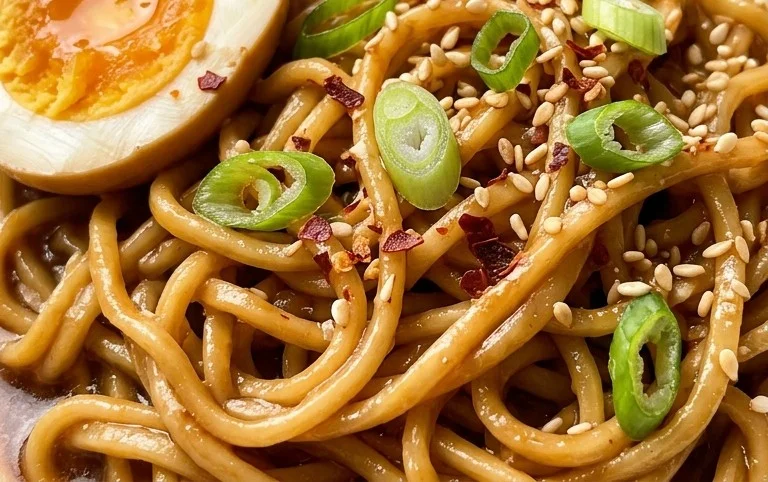
Now it’s time to bring it all together. Add the drained ramen noodles directly into the skillet with the thickened sauce and your cooked add-ins. Toss everything gently but thoroughly, ensuring every noodle is coated in that delicious, savory sauce. Stir in the sesame oil at this stage; it adds a wonderful nutty aroma and flavor that is characteristic of many Asian dishes. Give it a final taste and adjust seasonings if needed. You might want a little more soy sauce for saltiness, a touch more sugar for sweetness, or a squeeze of lemon juice for brightness. Serve immediately in bowls. Garnish generously with chopped scallions for a fresh, oniony bite and a sprinkle of sesame seeds for a bit of crunch and nutty flavor. Enjoy your incredibly easy and satisfying saucy ramen!
Conclusion:
There you have it – a simple yet incredibly satisfying way to elevate your ramen game! This Easy Saucy Ramen Noodles recipe is a game-changer for busy weeknights or when you’re craving something comforting and flavorful without the fuss. The magic lies in its simplicity, transforming humble instant ramen into a restaurant-worthy dish with just a few pantry staples. The rich, savory sauce coats every noodle perfectly, creating a delightful textural and taste experience. It’s incredibly versatile, making it the perfect canvas for your culinary creativity.
I highly encourage you to give this recipe a try! It’s a fantastic base to build upon. For serving, I love topping it with a perfectly jammy soft-boiled egg, some crisp green onions, and a sprinkle of toasted sesame seeds. For variations, feel free to add your favorite protein like shredded chicken, pan-fried tofu, or even some leftover cooked shrimp. A swirl of sriracha or a drizzle of chili oil adds a welcome kick of heat. Experiment with different vegetables too – wilted spinach, sautéed mushrooms, or even some shredded carrots can add wonderful color and nutrients. Enjoy making this delicious ramen your own!
Frequently Asked Questions:
What kind of ramen noodles are best for this recipe?
You can use any instant ramen noodles you prefer! The flavor packet is typically discarded as we’re making our own delicious sauce, but the noodles themselves work wonderfully. Thicker, chewier noodles often hold up well to the sauce, but regular ramen noodles will also be fantastic.
Can I make the sauce ahead of time?
Absolutely! The sauce can be prepared a day or two in advance and stored in an airtight container in the refrigerator. Simply reheat it gently on the stovetop before tossing with your cooked ramen noodles for an even quicker meal.
How can I make this recipe spicier?
For an extra kick, I recommend adding a dollop of sriracha, a drizzle of chili garlic sauce, or a pinch of red pepper flakes directly into the sauce while it’s simmering. You can also top your finished dish with a swirl of your favorite hot sauce or some fresh sliced chilies.
Easy Saucy Ramen Noodles
A quick and flavorful ramen noodle dish with a savory, slightly sweet, and tangy sauce. Perfect for a weeknight meal.
Ingredients
-
2 servings dry instant ramen noodle cakes (or other noodles of choice (around 140 g total))
-
10 oz extra firm tofu, veggies, or mushrooms of choice (sliced)
-
1 cup water (or vegetable broth)
-
5-7 tbsp soy sauce
-
1.5 tsp dark soy sauce (, optional for colour)
-
2-3 tbsp corn starch
-
1-3 tbsp sugar (, maple syrup, or other liquid sweetener)
-
2 tbsp rice vinegar (, white vinegar, or lemon juice)
-
1/4 tsp ground pepper
-
1/2 tbsp chili garlic sauce
-
1 tbsp sesame oil
-
2 cloves garlic (minced (optional))
-
Chopped scallions (for topping)
-
Sesame seeds (for topping)
Instructions
-
Step 1
Cook ramen noodles according to package directions. Drain and set aside. -
Step 2
While noodles cook, prepare the sauce. In a medium bowl, whisk together water (or broth), soy sauce, dark soy sauce (if using), corn starch, sugar, rice vinegar, ground pepper, and chili garlic sauce until well combined and corn starch is dissolved. -
Step 3
Heat sesame oil in a large skillet or wok over medium-high heat. Add tofu, veggies, or mushrooms and cook until browned or tender, about 5-7 minutes. Add minced garlic (if using) and cook for another minute until fragrant. -
Step 4
Pour the prepared sauce mixture into the skillet with the tofu/veggies. Stir constantly as the sauce thickens, about 2-3 minutes. The sauce should become glossy and coat the ingredients. -
Step 5
Add the cooked ramen noodles to the skillet with the sauce. Toss gently to coat the noodles evenly. Cook for another 1-2 minutes, allowing the noodles to absorb some of the sauce. -
Step 6
Serve immediately, garnished with chopped scallions and sesame seeds.
Important Information
Nutrition Facts (Per Serving)
It is important to consider this information as approximate and not to use it as definitive health advice.
Allergy Information
Please check ingredients for potential allergens and consult a health professional if in doubt.