Japchae Korean Glass Noodle Stir Fry Recipe
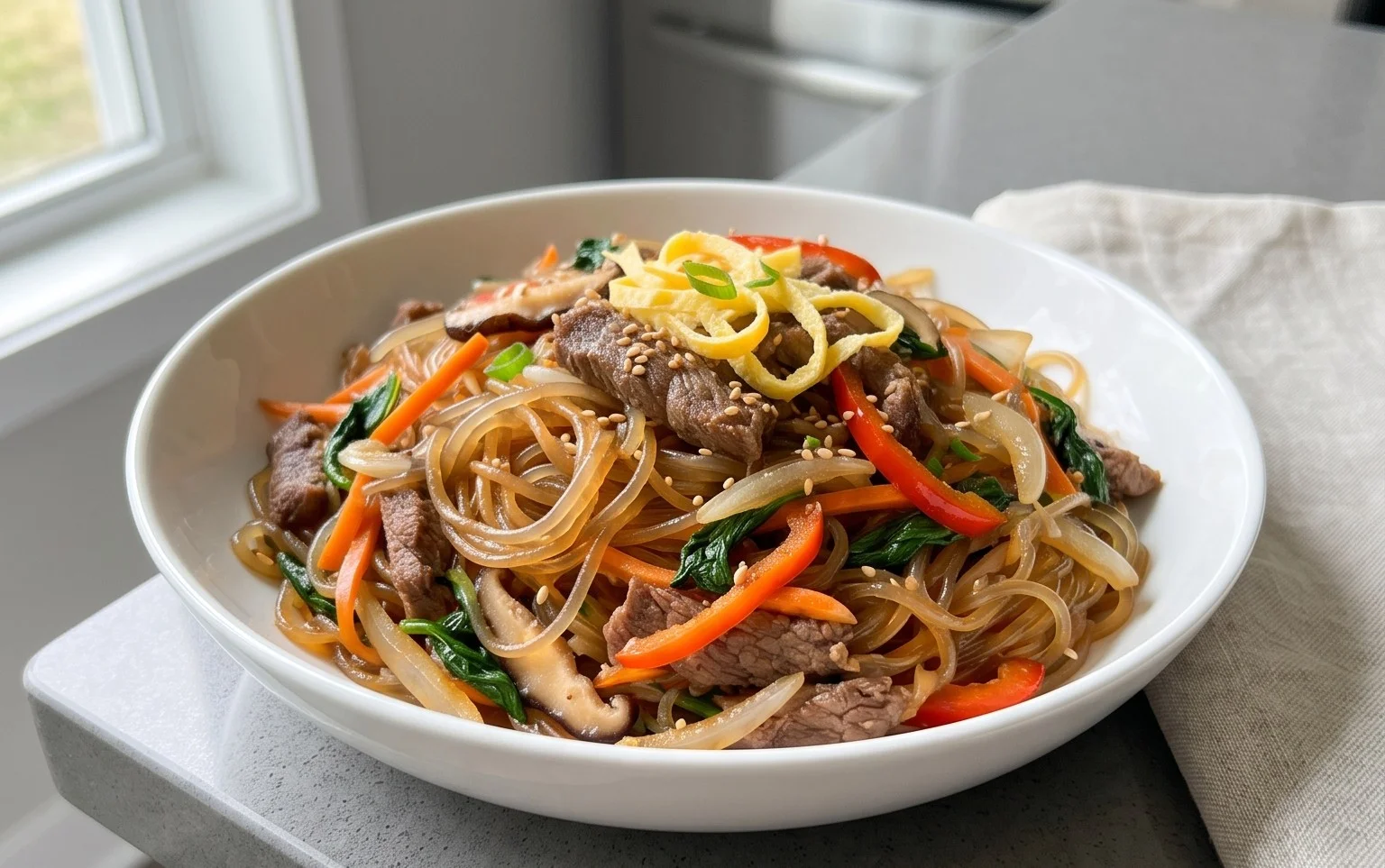
Japchae (Korean Glass Noodle Stir Fry) is a dish that has captured hearts and taste buds around the globe, and for good reason! I remember the first time I encountered this vibrant, colorful masterpiece. It wasn’t just a meal; it was an experience. The delightful chegrape juicess of the glass noodles, perfectly coated in a savory-sweet soy sauce-based dressing, is utterly addictive. What truly makes Japchae special is its incredible versatility and the beautiful mosaic of textures and flavors it offers. Tender strips of marinated beef, crisp-tender vegetables like carrots, spinach, and mushrooms, all mingling together – it’s a harmonious symphony in every bite. It’s no wonder this beloved Korean classic is a staple at celebrations and family gatherings. Join me as we dive into creating this unforgettable Japchae right in your own kitchen!
Japchae (Korean Glass Noodle Stir Fry)
Japchae is a beloved Korean dish that’s both beautiful and incredibly flavorful. It’s a vibrant stir-fry featuring translucent sweet potato glass noodles, tender vegetables, and savory protein, all coated in a delicious soy-sesame dressing. While it might seem a little involved with all the separate cooking steps, trust me, the end result is absolutely worth it. It’s a fantastic dish to serve at gatherings or simply to enjoy as a satisfying meal.
The key to great Japchae is the texture. You want the noodles to be chewy but not mushy, the vegetables crisp-tender, and the beef (or your chosen protein) perfectly cooked. Don’t be intimidated by the ingredient list; most of the work involves a bit of chopping and separate cooking to maintain the distinct flavors and textures of each component. Let’s get started!
Ingredients:
Preparing the Noodles
The star of Japchae is undeniably the glass noodles. These aren’t your average pasta; they’re made from sweet potato starch, giving them their characteristic translucent appearance and wonderfully chewy texture. It’s crucial to cook them correctly to avoid them becoming sticky or gummy.
1. First, bring a large pot of water to a rolling boil. Add the sweet potato glass noodles and cook them according to the package instructions, which is typically around 6-8 minutes. You want them to be tender but still have a slight chew to them – al dente, if you will. Overcooking them will result in a mushy texture that’s difficult to salvage.
2. Once they’re cooked to your liking, drain them thoroughly in a colander. Immediately rinse the noodles under cold running water. This step is vital to stop the cooking process and prevent them from sticking together.
3. After rinsing, return the noodles to the empty pot. Add about 1 tablespoon of toasted sesame oil and a pinch of salt. Toss them gently to coat. The sesame oil not only adds flavor but also helps keep the noodles separated. Set them aside.
Marinating and Cooking the Beef
For the protein, thinly sliced beef adds a savory depth to the Japchae. Marinating it briefly enhances its flavor and tenderness.
1. In a medium bowl, combine your thinly sliced beef with 1 tablespoon of soy sauce, 1 teaspoon of brown sugar, and a pinch of black pepper. Mix well to ensure all the strips are coated. Let this marinate for at least 10-15 minutes while you prepare the other ingredients.
2. Heat about 1 tablespoon of oil in a large skillet or wok over medium-high heat. Add the marinated beef and stir-fry until it’s just cooked through and no longer pink. This should only take a few minutes, depending on the thickness of your strips. Be careful not to overcook the beef, as it can become tough.
3. Once cooked, remove the beef from the skillet and set it aside. You can leave any rendered juices in the pan, as they’ll add flavor to the vegetables you cook next.
Preparing the Vegetables and Eggs
This is where the vibrant colors and varied textures come into play. Each vegetable is cooked separately to preserve its individual crispness and flavor.
1. In the same skillet used for the beef (add a little more oil if needed), stir-fry the julienned carrots and thinly sliced yellow onion over medium-high heat until they are tender-crisp, about 3-5 minutes. Season with a pinch of salt and pepper. Remove them from the skillet and set them aside with the beef.
2. Add a touch more oil to the skillet if necessary. Stir-fry the sliced mushrooms until they are softened and have released some of their moisture, about 2-3 minutes. Season lightly with salt and pepper, then remove and set aside.
3. Now, let’s make the egg garnish. Heat a lightly oiled, non-stick skillet over medium heat. Pour in the beaten eggs and cook them like thin omelets. You want them to be fully cooked but still pliable. Once cooked, let them cool slightly, then slice them into thin strips. These are often referred to as “egg garnishes” or “egg crepes.”
Assembling the Japchae
This is the final, glorious step where all the elements come together.
1. In a large bowl, combine the cooked and cooled glass noodles, stir-fried beef, carrots, onions, mushrooms, and the green onions.
2. In a small bowl, whisk together the remaining 6 tablespoons of soy sauce, 3 tablespoons of honey, 2 tablespoons of brown sugar, and 2 tablespoons of toasted sesame oil. This is your Japchae sauce.
3. Pour the sauce over the noodle and vegetable mixture. Add the packed baby spinach.
4. Now, it’s time to mix everything together. You can do this with your hands (wearing gloves!) or with two large spatulas. Gently toss and fold the ingredients until everything is well combined and coated in the sauce. The residual heat from the noodles and the other cooked ingredients will wilt the spinach perfectly.
5. Taste and adjust seasoning if needed. You might want a little more soy sauce for saltiness or a touch more honey or brown sugar for sweetness.
6. Transfer the Japchae to a large serving platter. Garnish with the prepared egg strips and a sprinkle of toasted sesame seeds, if desired. Serve warm and enjoy the delicious symphony of flavors and textures!
Conclusion:
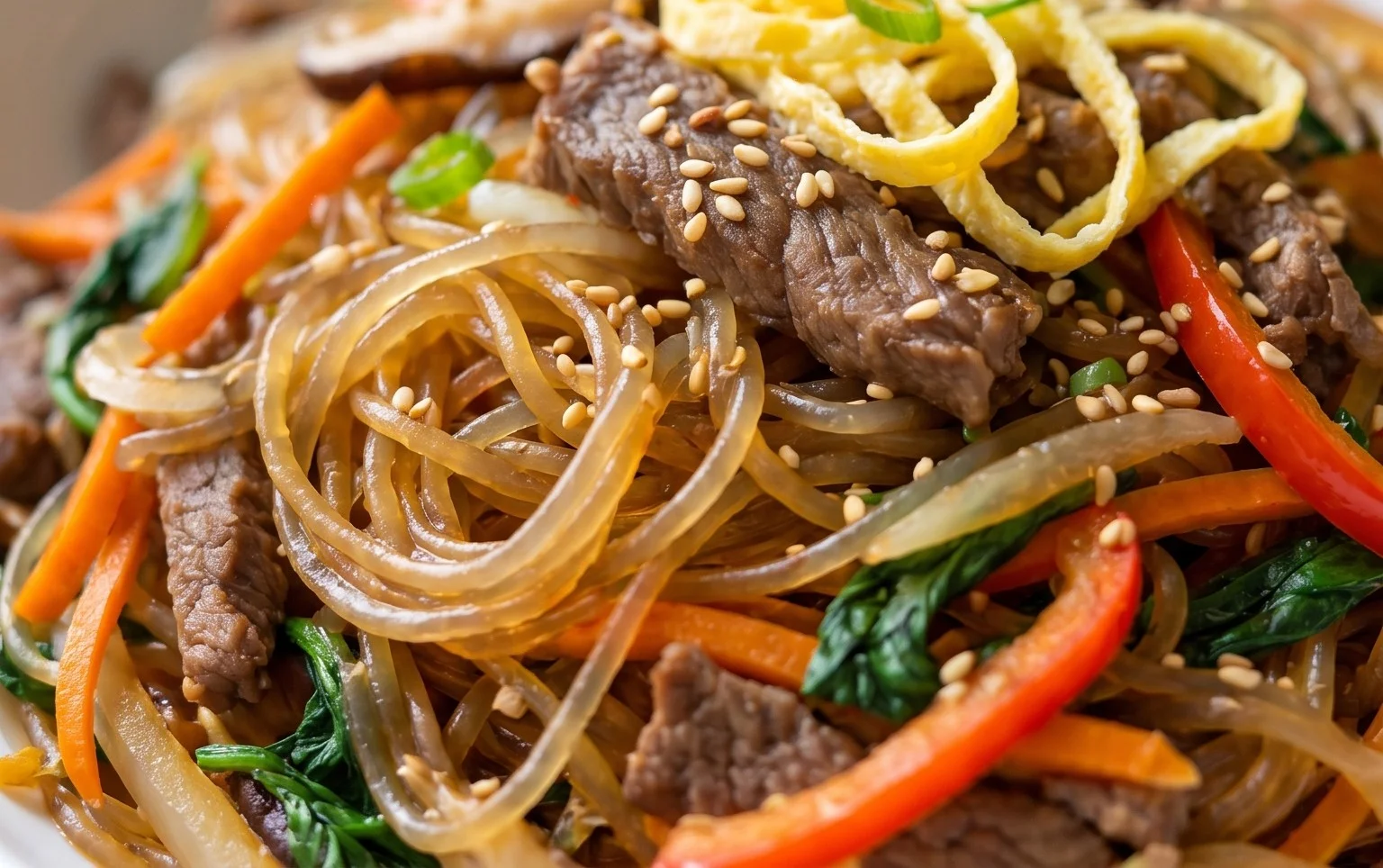
And there you have it – your guide to crafting a delicious and authentic Japchae! We’ve explored how this beloved Korean glass noodle stir fry, with its perfect balance of sweet, savory, and umami flavors, and its delightful chewy texture, is truly a showstopper. It’s incredibly versatile, making it an ideal dish for weeknight dinners, special occasions, or even as part of a larger Korean feast. The vibrant colors from the fresh vegetables and the satisfying chew of the glass noodles make it a visually appealing and incredibly gratifying meal. Don’t hesitate to get creative with your ingredients – the beauty of Japchae lies in its adaptability. I truly encourage you to dive into your kitchen and experience the joy of making this classic dish. It’s a recipe that’s sure to become a family favorite!
Frequently Asked Questions:
Can I make Japchae ahead of time?
Yes, you can! While it’s best enjoyed fresh for optimal texture, you can prepare most of the components ahead of time. Cook the noodles and vegetables separately, and then combine and stir-fry them just before serving. This prevents the noodles from becoming too soft and clumpy.
What are some good variations for Japchae?
Absolutely! For a heartier meal, consider adding thinly sliced beef, chicken, or even shrimp. For a vegetarian or vegan version, load up on more vegetables like mushrooms, bell peppers, and even broccoli. You can also experiment with different types of mushrooms for added depth of flavor. Some people also like to add a touch of chili flakes for a hint of spice.
Where can I find Korean glass noodles?
Korean glass noodles, also known as dangmyeon, are readily available in most Asian supermarkets or the international aisle of larger grocery stores. They are typically made from sweet potato starch, giving them their signature chewy texture.
Japchae (Korean Glass Noodle Stir Fry)
A classic Korean dish featuring chewy sweet potato glass noodles stir-fried with tender beef, colorful vegetables, and a savory-sweet sauce. Perfect as a main dish or a side.
Ingredients
-
12 ounces sweet potato glass noodles
-
16 ounces pork loin (cut into strips)
-
2 large eggs (beaten)
-
1 large carrot (peeled and julienned)
-
1 medium yellow onion (thinly sliced)
-
3 mushrooms (thinly sliced)
-
2 cups baby spinach (packed)
-
2 stalks green onion (cut into 1 inch pieces)
-
oil (for cooking)
-
Toasted sesame seeds (optional for garnish)
-
Salt and black pepper (as needed)
-
7 tablespoons soy sauce (light sodium)
-
3 tablespoons honey
-
2 tablespoons brown sugar
-
2 tablespoons toasted sesame oil
Instructions
-
Step 1
Cook sweet potato glass noodles according to package directions. Drain, rinse with cold water, and cut into manageable lengths. Toss with 1 tablespoon of toasted sesame oil, salt, and pepper. -
Step 2
Marinate the pork strips with 1 tablespoon soy sauce, 1 tablespoon honey, 1 tablespoon brown sugar, and a pinch of salt and pepper for at least 15 minutes. -
Step 3
In a large skillet or wok, heat oil over medium-high heat. Stir-fry the marinated pork until cooked through. Remove from skillet and set aside. -
Step 4
Add a little more oil if needed. Stir-fry the julienned carrots and sliced onions until softened but still slightly crisp. Add the sliced mushrooms and cook for another 2-3 minutes. -
Step 5
Push the vegetables to one side of the skillet. Pour the beaten eggs into the empty space and scramble until just cooked. Chop the scrambled egg into small pieces. -
Step 6
Add the cooked noodles, cooked pork, and baby spinach to the skillet. Stir in the remaining soy sauce, honey, and brown sugar. Toss gently to combine everything and wilt the spinach. -
Step 7
Add the chopped scrambled egg and green onions. Toss gently. Drizzle with the remaining toasted sesame oil and season with salt and pepper to taste. Garnish with toasted sesame seeds if desired.
Important Information
Nutrition Facts (Per Serving)
It is important to consider this information as approximate and not to use it as definitive health advice.
Allergy Information
Please check ingredients for potential allergens and consult a health professional if in doubt.