Perfect Ramen Eggs Ajitama – Easy Marinade Recipe
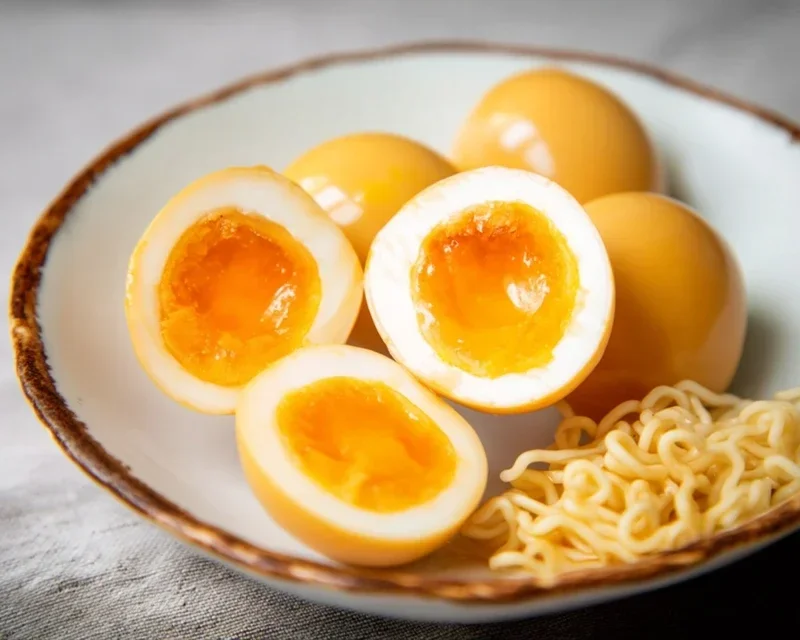
Ramen eggs, also known as Ajitama, are a culinary marvel that elevates any noodle soup from delicious to downright divine. These perfectly marinated, jammy-yolked treasures are more than just a topping; they are a fundamental component that transforms a humble bowl of ramen into an experience. I absolutely adore the way these ramen eggs add layers of savory, umami-rich flavor and a luxuriously creamy texture. What makes Ajitama so special is the simple yet profound transformation they undergo in a flavorful marinade. The process is deceptively easy, yet the results are profoundly satisfying, creating a dish that’s both comforting and sophisticated. Get ready to unlock the secret to making these incredible ramen eggs yourself!

Ramen Eggs (Ajitama)
There’s something truly magical about a perfectly cooked ramen egg, also known as ajitama. That jammy, custardy yolk nestled within a tender white, infused with a savory, slightly sweet marinade – it elevates a simple bowl of ramen into an unforgettable culinary experience. While it might seem intimidating, making your own ajitama at home is surprisingly straightforward and incredibly rewarding. Imagin extracte the delight of cracking open one of these beauties and letting that glorious yolk spill into your broth. It’s a game-changer, and once you try it, you’ll wonder how you ever ate ramen without them.
The key to a fantastic ramen egg lies in two crucial steps: the perfect soft-boil and the flavorful marinade. We’ll tackle both of these with care, ensuring you get that ideal texture and taste every single time. Don’t worry if your first attempt isn’t absolutely flawless; even a slightly less-than-perfect ajitama is still incredibly delicious. The process is forgiving, and with a little practice, you’ll be a ramen egg master in no time. Let’s get started on creating this essential ramen topping that will have you feeling like a true chef.
Ingredients:
Cooking Instructions:
Creating your own ajitama is a two-part process: first, perfectly boiling the eggs, and then marinating them to perfection.
Part 1: Boiling the Eggs
The secret to a jammy yolk is a precise cooking time. We want the whites to be set but tender, and the yolk to be cooked through but still wonderfully gooey.
1. Prepare the Boiling Water: Bring a medium saucepan of water to a rolling boil. The water should be deep enough to completely submerge the eggs without them touching the bottom of the pan. You can add a splash of vinegar to the water if you like. While not strictly necessary, some people find it helps prevent egg whites from leaking if an egg cracks during boiling. Just a teaspoon or two is enough. Once the water is at a vigorous boil, carefully reduce the heat to a gentle simmer. This is a critical step; boiling too vigorously can cause the eggs to crack and the yolks to become hard.
2. Gently Add the Eggs: Using a slotted spoon or a spider strainer, carefully lower each egg into the simmering water. You want to do this gently to avoid cracking the shells. It’s best to take your time and place each egg individually. Once all the eggs are in the water, start your timer immediately. For that perfect jammy yolk, I recommend boiling for exactly 6 minutes and 30 seconds. This time can vary slightly based on your stove and altitude, so it’s good to experiment a little if you have the chance. If you prefer a slightly firmer yolk, you can extend the time to 7 minutes, but be careful not to go beyond that, or you’ll end up with hard-boiled eggs.
3. Ice Bath for Perfect Texture: As soon as your timer goes off, immediately remove the eggs from the simmering water using your slotted spoon or spider strainer. Transfer them directly into a prepared ice bath. An ice bath is simply a bowl filled with ice cubes and cold water. Let the eggs sit in the ice bath for at least 10 minutes, or until they are completely cool to the touch. This rapid cooling stops the cooking process immediately, preventing the yolks from overcooking and ensuring that beautiful, tender texture. It also makes them much easier to peel.
Part 2: Marinating the Eggs
While the eggs are cooling, we’ll prepare the flavor-packed marinade. This is where the magic truly happens, infusing the eggs with that irresistible savory and slightly sweet taste.
4. Prepare the Marinade: In a small saucepan, combine the ½ cup of light sodium soy sauce, ¼ cup of water, ¼ cup of non-non-non-alcoholic alternativeic non-alcoholic mirin, and 2 tablespoons of granulated sugar. Place this mixture over medium heat. Stir gently and continuously until the sugar has completely dissolved. You don’t need to bring this to a boil; just heat it enough to ensure the sugar is fully incorporated. Once the sugar is dissolved, remove the saucepan from the heat and let the marinade cool down to room temperature. It’s important that the marinade is not hot when you add the eggs, as hot liquid can continue to cook the eggs and alter the texture.
5. Marinate and Chill: Once the eggs are completely cooled and the marinade has reached room temperature, it’s time to combine them. Carefully peel the cooled eggs. You’ll find that they peel much more easily after being in the ice bath. Be gentle to avoid damagin extractg the whites. Place the peeled, soft-boiled eggs into a resealable bag or a shallow airtight container. Pour the cooled marinade over the eggs, ensuring that they are fully submerged. If you’re using a bag, gently squeeze out as much air as possible before sealing it. Place the bag or container in the refrigerator and let the eggs marinate for at least 4 hours, but for the best flavor, I highly recommend marinating them for 8 to 24 hours. The longer they marinate, the more deeply they will absorb the delicious flavors. You can gently turn the eggs occasionally to ensure even marination.
Enjoy your homemade ramen eggs! They are best sliced in half and added to your favorite ramen soup, but they also make a fantastic addition to rice bowls or even as a standalone snack.
Conclusion:
And there you have it! Crafting your own perfect Ramen Eggs, or Ajitama, is surprisingly simple and incredibly rewarding. This recipe offers a fantastic way to elevate your ramen bowls from good to absolutely unforgettable. The magic lies in the perfect balance of savory, sweet, and umami, achieved through a simple marinade that infuses the soft-boiled egg with incredible flavor. Don’t be intimidated by the process; it’s quite forgiving, and the results are well worth the minimal effort. Whether you’re a seasoned ramen enthusiast or just looking to add a gourmet touch to your weeknight meals, these marinated eggs are a game-changer.
The possibilities for enjoying your Ajitama are vast. Of course, they are the quintessential topping for a steaming bowl of ramen, adding a burst of creamy yolk and marinated deliciousness. But don’t stop there! Try them sliced over a simple rice bowl, alongside grilled meats, or even chopped into a salad for an unexpected flavor boost. Feel free to experiment with the marinade – a touch of chili oil for heat, non-alcoholic mirin for extra sweetness, or even a splash of non-alcoholic sake for added depth can all create delightful variations on this classic.
I truly encourage you to give this Ramen Eggs recipe a try. You’ll be amazed at how such a simple ingredient can make such a significant difference. Happy cooking, and enjoy those perfect, flavorful eggs!
Frequently Asked Questions about Ramen Eggs:
Q: How long do Ramen Eggs last in the refrigerator?
Your delicious Ramen Eggs, once marinated, can be stored in an airtight container in the refrigerator for up to 3-4 days. Make sure they are fully submerged in the marinade for best results and to maintain their flavor.
Q: Can I use different soy sauce for the marinade?
Absolutely! While regular soy sauce is standard, you can certainly get creative. Low-sodium soy sauce works well, and tamari can be a good gluten-free alternative. A light soy sauce will provide a less intense color and flavor, while a dark soy sauce might offer a richer, deeper hue and taste. Experiment to find your favorite blend!
Ramen Eggs (Ajitama)
Perfectly marinated soft-boiled eggs for ramen, featuring a rich, savory, and slightly sweet flavor.
Ingredients
-
6 large eggs
-
1/2 cup soy sauce (light sodium)
-
1/4 cup water
-
1/4 cup non-alcoholic mirin
-
2 tablespoons granulated sugar
-
1 tablespoon rice vinegar
Instructions
-
Step 1
Gently place eggs in a pot and cover with cold water. Add a splash of rice vinegar to the water (optional, but helps prevent cracking). -
Step 2
Bring the water to a rolling boil over high heat. Once boiling, immediately reduce heat to a simmer and cook for exactly 6.5 minutes for soft-boiled yolks. -
Step 3
While eggs are cooking, prepare an ice bath by filling a bowl with ice and water. -
Step 4
After 6.5 minutes, immediately transfer the eggs to the ice bath to stop the cooking process. Let them chill for at least 10 minutes. -
Step 5
In a small saucepan, combine soy sauce, water, non-alcoholic mirin, and granulated sugar. Heat gently, stirring until sugar is dissolved. Let the marinade cool completely. -
Step 6
Carefully peel the chilled eggs. Place them in a resealable bag or a small container. Pour the cooled marinade over the eggs, ensuring they are fully submerged. -
Step 7
Marinate the eggs in the refrigerator for at least 4 hours, or preferably overnight, flipping them occasionally for even marbling.
Important Information
Nutrition Facts (Per Serving)
It is important to consider this information as approximate and not to use it as definitive health advice.
Allergy Information
Please check ingredients for potential allergens and consult a health professional if in doubt.